
Vehicle damage can happen in many ways, from minor parking lot mishaps to more serious collisions. Even small imperfections can affect how a car looks, drives, and holds its value over time. While some damage may seem cosmetic at first, underlying issues can develop if repairs are delayed or handled improperly. Understanding common auto body repairs helps vehicle owners make informed decisions and recognize why professional work plays such an important role in long-term safety and reliability.
Modern vehicles are designed with complex materials, sensors, and safety systems that work together to protect occupants. Damage to one area can affect surrounding components, even if it is not immediately visible. Proper repairs require more than basic tools or surface-level fixes. Trained technicians assess how damage impacts structure, alignment, and performance before beginning any work. This careful approach helps restore vehicles to proper condition rather than masking problems.
Professional auto body repair also supports consistency and quality. From paint matching to structural measurements, precise techniques help vehicles meet manufacturer standards after repairs are completed. This level of accuracy is especially important for resale value and ongoing performance. By understanding the types of repairs commonly needed and why skilled workmanship matters, vehicle owners are better prepared to protect their investment and drive with confidence. The following sections explore common auto body repairs and explain why professional care makes a meaningful difference.
Identifying Damage After a Collision or Impact
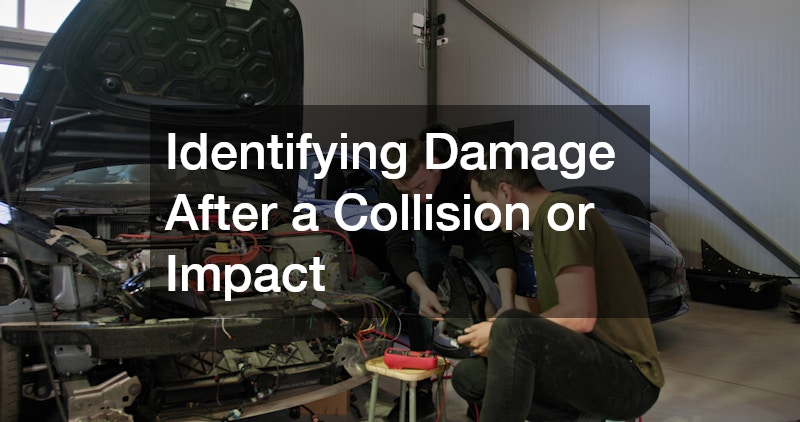
After a collision or impact, damage is not always obvious. While dents or scratches may be visible, internal components and structural areas can also be affected. Even low-speed impacts can shift panels, weaken mounting points, or alter alignment. Identifying damage early helps prevent small issues from developing into larger safety or performance concerns.
A thorough inspection looks beyond surface damage. Technicians examine panel gaps, alignment, and structural points to determine whether the vehicle absorbed force in ways that could affect drivability. Subtle signs such as uneven tire wear, unusual noises, or steering changes may indicate hidden damage. Ignoring these indicators can lead to long-term problems that compromise handling and safety.
Professionals at a car body shop use specialized tools and experience to assess damage accurately. Measuring systems, diagnostic checks, and visual inspections work together to reveal issues that are not visible to the untrained eye. This detailed evaluation supports proper repair planning and helps restore the vehicle’s integrity. Identifying damage correctly is the first step toward safe, reliable repairs that protect both the vehicle and its occupants.
Repairing Dents, Dings, and Surface Damage
Dents, dings, and surface damage are among the most common auto body issues drivers encounter. These imperfections can result from hail, minor collisions, or everyday wear. While they may appear cosmetic, surface damage can expose underlying materials to moisture and corrosion if left untreated. Addressing these issues promptly helps preserve both appearance and durability.
Repairing surface damage requires precision and attention to detail. Techniques vary depending on the depth and location of the damage, as well as the materials involved. Improper repairs can lead to uneven surfaces, mismatched paint, or weakened panels. Professional methods help restore smooth contours and protect the vehicle’s finish.
An experienced auto body shop uses proper tools and techniques to repair surface damage correctly. Paint matching, panel shaping, and finishing processes work together to achieve consistent results. Professional repairs also help maintain resale value by restoring the vehicle’s original appearance. When dents and dings are handled with care, the vehicle looks better, lasts longer, and retains its structural integrity over time.
Restoring Panels, Frames, and Structural Alignment
Structural damage is one of the most serious issues a vehicle can face after an accident. Even when exterior damage appears minor, the force of an impact can travel through the frame, panels, and support structures. When these elements are misaligned, the vehicle may not handle correctly or protect occupants as designed. Restoring structural integrity is essential for safety, performance, and long-term reliability.
Modern vehicles are engineered with crumple zones and reinforced frames that manage impact energy in specific ways. When these systems are compromised, proper restoration requires precise measurement and correction. Technicians evaluate how panels align, how doors close, and whether the frame has shifted from factory specifications. Small deviations can affect steering, suspension geometry, and tire wear, making accurate correction critical.
Professional auto repairs address these concerns using specialized equipment designed to measure and restore alignment. Frame straightening systems and calibration tools help return structural components to proper position. This process supports predictable handling and helps safety systems function correctly. Restoring panels and frames is not just about appearance, it is about returning the vehicle to a condition that supports safe driving and dependable performance over time.
Addressing Paint Damage and Finish Imperfections
Paint damage often draws immediate attention because it affects a vehicle’s appearance, but it also serves a protective purpose. Chips, scratches, and peeling paint expose underlying materials to moisture and environmental elements. Over time, this exposure can lead to rust and corrosion, which compromise both appearance and structural integrity. Addressing paint damage promptly helps protect the vehicle’s exterior surfaces.
Finish imperfections can result from collisions, sun exposure, or improper previous repairs. Achieving a consistent, factory-like finish requires careful surface preparation, precise color matching, and controlled application. Variations in paint thickness or texture can become noticeable under different lighting conditions, reducing visual quality and resale appeal.
In some repair situations, auto tinting is considered alongside paint work to enhance protection and appearance. While primarily associated with glass, tinting can complement exterior restoration by improving overall aesthetics and reducing sun-related wear. Professional paint repair ensures that finishes are durable, uniform, and properly sealed. When paint damage is addressed correctly, the vehicle maintains a cleaner appearance and gains added protection against future deterioration.
Replacing Damaged Doors, Fenders, and Bumpers
Doors, fenders, and bumpers are designed to absorb impact and protect critical components. When damaged, these parts may no longer function as intended, even if they appear mostly intact. Issues such as poor fit, compromised mounting points, or weakened materials can affect safety and usability. Replacing damaged components restores proper function and alignment.
Replacement decisions depend on the extent of damage and the role each component plays in safety. Bumpers often house sensors and impact-absorbing materials, while doors must align precisely to maintain structural support. Improper installation can lead to wind noise, water leaks, or malfunctioning safety features. Accurate replacement requires attention to detail and adherence to manufacturer standards.
An auto mechanic works alongside body repair specialists to confirm that replacement parts integrate correctly with mechanical and safety systems. This coordination supports proper operation of locks, sensors, and alignment. Replacing damaged panels with precision helps restore both appearance and performance.
Repairing Glass, Mirrors, and Exterior Components
Glass and exterior components play an important role in both visibility and safety. Cracked glass, damaged mirrors, or broken trim can interfere with a driver’s ability to see clearly and react to surrounding conditions. Even small chips or fractures can spread over time, especially with changes in temperature or road vibration. Addressing these issues promptly helps maintain safe driving conditions and prevents further damage.
Exterior components also contribute to the structural and aerodynamic integrity of a vehicle. Side mirrors, moldings, and exterior panels are designed to work together, and damage to one area can affect airflow or stability. Proper repair or replacement helps preserve functionality while maintaining the vehicle’s appearance. Ignoring exterior damage may also lead to moisture intrusion, which can affect internal systems.
When glass damage is present, installing a new windshield restores visibility and supports the vehicle’s safety features. Modern windshields often contribute to structural strength and may interact with advanced driver assistance systems.
Correcting Alignment and Suspension-Related Damage
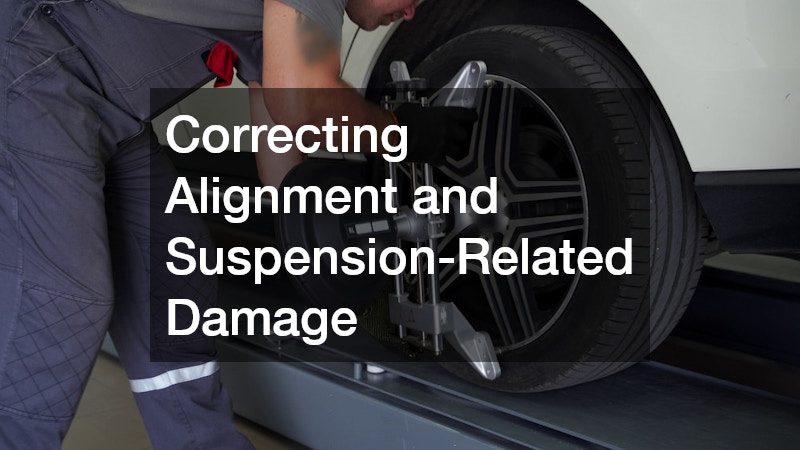
Alignment and suspension systems influence how a vehicle handles, steers, and responds to the road. After an impact, these systems may shift even if exterior damage appears minimal. Misalignment can cause uneven tire wear, pulling while driving, or reduced stability. Correcting these issues early helps prevent further mechanical strain and improves overall driving performance.
Suspension damage may involve shocks, struts, or mounting points that absorb road forces. When compromised, these components can affect ride comfort and vehicle control. Drivers may notice vibrations, unusual noises, or changes in handling. Thorough evaluation helps identify whether damage extends beyond visible parts and requires targeted repair.
Warning indicators such as a check engine light may appear when alignment or suspension issues affect related systems. While not always directly linked, electronic sensors can detect abnormalities triggered by impact-related damage. Professional diagnostics help identify the source of these alerts and guide appropriate repairs.
Managing Rust, Corrosion, and Long-Term Wear
Rust and corrosion develop gradually but can cause serious damage if left untreated. Exposure to moisture, road salt, and environmental contaminants accelerates deterioration, especially in older vehicles or those with damaged paint. Over time, corrosion can weaken structural components and reduce the effectiveness of protective coatings. Managing these issues helps extend the life of the vehicle.
Long-term wear affects both exterior and interior surfaces. High-use areas may show signs of fading, cracking, or material breakdown. Addressing wear early helps prevent it from spreading to surrounding components. Regular inspection allows technicians to identify vulnerable areas and apply protective treatments that slow deterioration.
Interior materials are also affected by long-term use, which is where auto upholstery becomes part of overall repair considerations. Seats, panels, and trim contribute to comfort and appearance, and worn materials can detract from the driving experience.
Meeting Safety Standards and Manufacturer Guidelines
Meeting safety standards and manufacturer guidelines is essential when completing auto body repairs. Vehicles are engineered to perform in specific ways during everyday driving and in the event of a collision. When repairs do not follow established specifications, critical safety systems may not function as intended. Adhering to these guidelines helps protect occupants and supports consistent vehicle performance after repairs are completed.
Manufacturer guidelines outline how components should be repaired, replaced, and calibrated. This includes structural measurements, material requirements, and the integration of safety features such as sensors and restraint systems. Even small deviations can affect how a vehicle responds in future incidents. Following proper procedures helps confirm that repairs restore original safety characteristics rather than introducing new risks.
Certain repairs may involve related maintenance tasks, such as battery replacement, when electrical systems are impacted during a repair process. Modern vehicles rely heavily on electronics, and power interruptions can affect safety features if not handled correctly. Addressing these needs within manufacturer guidelines supports system reliability.
Protecting Vehicle Value Through Quality Repairs
Vehicle value is influenced by more than mileage and age. The quality of repairs plays a major role in how a vehicle is perceived by future buyers and insurers. Poor workmanship, visible inconsistencies, or incomplete repairs can lower resale value and raise concerns about hidden damage. Quality repairs help preserve appearance, performance, and confidence in the vehicle’s condition.
Professional repair work focuses on restoring both form and function. Accurate panel alignment, consistent finishes, and proper system calibration contribute to a vehicle that looks and drives as intended. Documentation of professional repairs also adds credibility during resale or trade-in. Buyers are more likely to trust vehicles that have been repaired according to industry standards.
Enhancements such as vehicle tinting can also influence perceived value when applied correctly. Tinting can improve comfort, protect interior materials, and enhance appearance, but only when installed professionally and within legal limits. When quality repairs and thoughtful upgrades work together, the vehicle retains its value and appeal. Protecting vehicle value starts with professional repair decisions that prioritize accuracy and long-term performance.
Auto body repairs play a vital role in maintaining safety, performance, and value after a vehicle has been damaged. From identifying hidden issues to restoring structural alignment and addressing surface damage, each repair decision affects how the vehicle performs over time. Professional workmanship helps confirm that repairs go beyond appearance and support the systems designed to protect occupants.
Understanding common auto body repairs allows vehicle owners to recognize when professional care is necessary. Modern vehicles are complex, and even minor damage can have wider implications if not handled correctly. Skilled technicians use proper tools, follow manufacturer guidelines, and apply experience to restore vehicles to dependable condition. This attention to detail reduces risk and helps prevent future complications.
