
Deciding to sell your vehicle is often the beginning of a stressful, multi-step journey. Whether you are upgrading to a larger family SUV, downsizing to a more fuel-efficient commuter, or simply cashing out an extra asset, the goal remains exactly the same: extracting the maximum possible value from your asset. However, a surprising number of sellers leave hundreds, if not thousands, of dollars on the negotiating table simply because they rush the preparation process. They list their vehicles in “as-is” condition, hoping the market is desperate enough to overlook obvious flaws.
The reality of the private automotive market is that buyers are inherently skeptical. When a potential buyer walks up to your driveway, they are not just looking for reasons to fall in love with the vehicle; they are actively hunting for reasons to negotiate the asking price down. Every scratch, every strange noise, and every missing piece of documentation is a weapon they will use to devalue your asset.
By systematically addressing mechanical baselines, resolving aesthetic flaws, and compiling proper documentation, you can effectively shift the leverage back into your favor. Preparing a vehicle for sale is an investment of time and a little bit of capital, but it is an investment that yields a disproportionately high return. When a vehicle presents flawlessly, buyers lose their negotiating power. They are forced to recognize the premium condition of the asset and pay accordingly.
This comprehensive guide will walk you through the exact steps required to prep your vehicle for a highly profitable sale. From ruthless under-the-hood inspections and ensuring crucial safety components are up to standard, to erasing years of wear from the exterior and neutralizing interior odors, we will cover every detail you need to know to command top dollar.
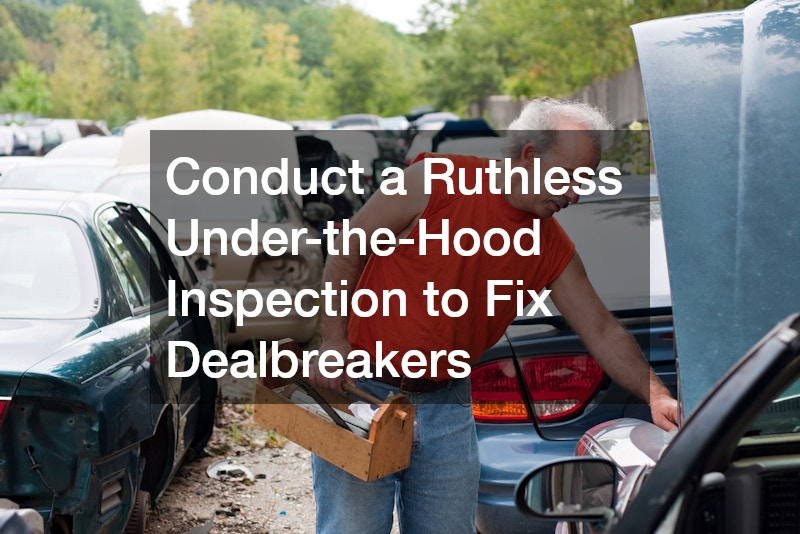
Conduct a Ruthless Under-the-Hood Inspection to Fix Dealbreakers
The moment a potential buyer sits in the driver’s seat and turns the key, the negotiation truly begins. If they are greeted by an illuminated check engine light, a rough idle, or a squealing belt, their confidence in the vehicle plummets instantly. These mechanical red flags signal to the buyer that the vehicle has been neglected, prompting them to wonder what other, more expensive problems might be lurking out of sight.
To prevent this, you must conduct a ruthless, objective inspection of everything under the hood before you even think about drafting a classified ad. It is incredibly common for owners to grow accustomed to their vehicle’s quirks—a slight hesitation during acceleration or a small oil drip on the driveway—but to a fresh buyer, these are massive dealbreakers. Handling these overdue fixes is paramount. When you take care of lingering auto repairs prior to listing the vehicle, you eliminate the buyer’s ability to demand a massive discount.
Consider the psychology of the buyer: if they see a leaking valve cover gasket that might cost two hundred dollars to fix, they won’t ask for a two-hundred-dollar discount. They will ask for a five-hundred-dollar discount to cover the “hassle” and the “risk.” By investing in a pre-sale car repair for these obvious issues, you maintain control of your asking price.
Here is a comprehensive checklist for your under-the-hood inspection:
-
Scan for Trouble Codes: Even if the check engine light is currently off, use an OBD2 scanner to check for pending codes. Sometimes codes are stored in the computer’s memory before the light illuminates on the dashboard. Address any underlying sensor issues immediately.
-
Inspect and Top Off All Fluids: Pull every dipstick and check every reservoir. The engine oil should be relatively clean and at the correct level. The engine coolant should be vibrant (usually green, orange, or pink) and free of any oily residue. Do not forget to check the transmission fluid, brake fluid, and power steering fluid.
-
Evaluate Belts and Hoses: Visually inspect the serpentine belt for cracking, fraying, or glazing. Squeeze the radiator hoses; they should feel firm but pliable, not rock-hard or spongy.
-
Check for Active Leaks: Clean the engine bay lightly and let the car idle over a clean piece of cardboard. Look for fresh drops of oil, coolant, or power steering fluid, and trace them back to their source.
-
Replace Worn Filters: A dirty engine air filter restricts airflow and hurts performance. Swapping it out takes five minutes and shows the buyer you care about basic maintenance.
Prioritize Crucial Safety Components to Build Buyer Confidence
While aesthetic appeal draws a buyer to your listing, the test drive is where the deal is ultimately made or broken. Buyers are incredibly sensitive to how a vehicle feels on the road. They will notice if the steering wheel vibrates at highway speeds, if the suspension clunks over speed bumps, or if the brake pedal feels spongy. Because these components are directly tied to the safety of the vehicle, any perceived deficiency will send a buyer running or result in a lowball offer.
Stopping power, in particular, is absolutely non-negotiable. If a buyer hears grinding or squealing when they come to a stop sign, they immediately calculate the cost of a full brake job into their offer. You can circumvent this entire negotiation tactic by ensuring your braking system is in top condition. If the current setup is worn down to the squealers, investing in professional auto brake services is a wise financial move. Having fresh pads and resurfaced rotors allows you to confidently advertise the vehicle as “turn-key” and “ready to drive safely.”
When addressing these mechanical and safety issues, you will need to balance the cost of replacement against the value it adds to the vehicle. You do not always need to buy the most expensive parts available. When replacing worn-out items, utilizing high-quality aftermarket auto parts is often the best way to keep your restoration costs reasonable without sacrificing performance or safety.
Focus on these critical safety and drivability areas:
-
Tire Condition and Matching: Mismatched tires or tires with bald inner edges are huge red flags. Ensure all four tires have adequate tread depth (use the penny test) and are inflated to the manufacturer’s recommended PSI. If the tires are dangerously bald, consider buying a set of high-quality used tires to make the car presentable and safe.
-
Brake Pad and Rotor Health: Check the thickness of the brake pads through the spokes of the wheels. If the steering wheel shakes violently when braking from high speeds, the rotors are likely warped and need to be replaced or machined.
-
Suspension and Steering: Push down hard on each corner of the vehicle. If the car bounces more than once or twice, the struts or shocks are worn out. Listen carefully for clunking noises when turning the steering wheel lock-to-lock, which can indicate worn tie rods or ball joints.
-
Wiper Blades and Exterior Lighting: Do not let a ten-dollar fix ruin a test drive. Replace streaky wiper blades and ensure every single exterior bulb—headlights, taillights, turn signals, and license plate lights—is functioning perfectly.
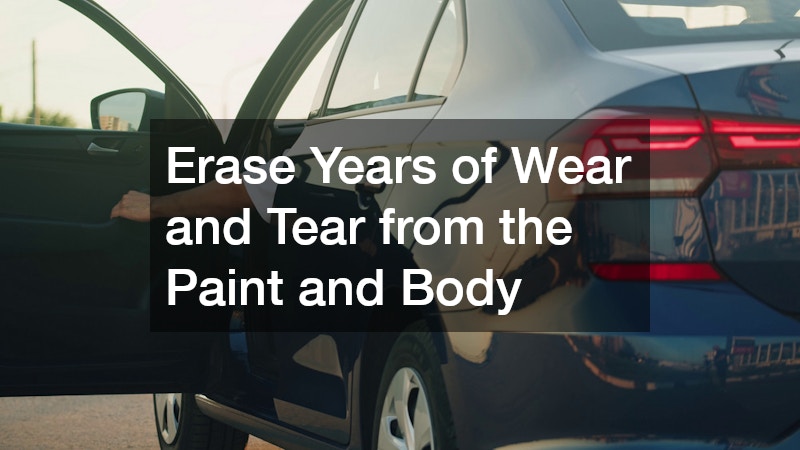
Erase Years of Wear and Tear from the Paint and Body
First impressions dictate the entire tone of a transaction. The psychology of curb appeal is incredibly powerful in the automotive market. If a vehicle looks neglected on the outside, a buyer will subconsciously assume that the engine and transmission have been equally neglected. Conversely, a vehicle that shines brilliantly in the sunlight creates an immediate emotional connection, making the buyer more willing to meet your asking price.
Over the years, a vehicle’s clear coat accumulates a massive amount of micro-scratches, swirl marks, hard water spots, and oxidation. The body panels inevitably collect small dings from runaway shopping carts and careless drivers in parking lots. Before you list the vehicle, you must smooth out this canvas. Assessing the exterior damage honestly is the first step. For minor indentations that haven’t cracked the paint, utilizing the cost-effectiveness of paintless auto dent repair is highly recommended. These technicians can massage out small dents from behind the panel, completely removing the imperfection without the need for expensive sanding, filling, and color-matching at a traditional body shop.
Once the body is straight, it is time to focus on the paint itself. A simple wash is not enough to prepare a car for sale. You need to decontaminate the clear coat and enhance its gloss to command a premium price. After thoroughly washing, claying, and polishing the exterior to remove swirl marks, you need to lock in that shine. Applying a high-quality auto ceramic coating will give the paint a wet, mirror-like gloss that heavily influences a buyer’s perceived value. This protective layer not only looks spectacular but also makes the car incredibly easy to keep clean while you are waiting for it to sell.
Follow these steps for exterior perfection:
-
Thorough Decontamination: Wash the car using a two-bucket method to avoid adding new scratches. Follow up with a clay bar treatment to pull embedded iron particles, tree sap, and industrial fallout from the clear coat. The paint should feel as smooth as glass.
-
Paint Correction (Polishing): Use a dual-action polisher and a mild compound to remove the haziness and swirl marks that dull the paint’s reflection. This step alone can make a ten-year-old car look five years newer.
-
Headlight Restoration: Foggy, yellowed headlights instantly age a vehicle. Use a restoration kit consisting of wet-sanding and a UV-resistant clear coat to bring them back to a crystal-clear finish.
-
Trim Restoration: Faded black plastic trim on bumpers and mirrors looks terrible. Use a dedicated trim restorer to bring the plastic back to a deep, rich black.
-
Wheel and Tire Detailing: Clean the wheels meticulously, removing all baked-on brake dust from the inner barrels. Apply a matte, non-greasy tire shine to give the rubber a fresh, new look without looking tacky.

Eradicate Odors and Stains for a Flawless Cabin Experience
Buyers spend the entirety of their test drive sitting inside the cabin, making it one of the most heavily scrutinized areas of the vehicle. While they might forgive a small scratch on the rear bumper, they will absolutely not forgive a sticky steering wheel, stained seats, or a lingering foul odor. Smell, in particular, is the strongest human memory trigger. If a buyer opens the door and is hit with the smell of wet dog, stale cigarette smoke, or spilled fast food, they will walk away immediately, regardless of how perfectly the engine runs.
Achieving a flawless cabin experience goes far beyond taking the car to a gas station vacuum and throwing away old fast-food wrappers. You have to deep clean every single surface to reset the environment. This means shampooing the floor mats, extracting years of dirt from the upholstery, and carefully cleaning the headliner without damaging the adhesive. You also need to clean out the air conditioning vents, where musty mildew odors love to hide.
If your vehicle’s interior has suffered from severe neglect—perhaps you used it as a work truck, or you have multiple shedding pets—trying to clean it yourself might be an exercise in frustration. In these extreme cases, paying for a comprehensive auto detailing service pays for itself several times over. Professional detailers have access to industrial hot water extractors, high-pressure steam cleaners, and ozone generators that can permanently destroy odor-causing bacteria at a molecular level, completely resetting the cabin’s atmosphere to a neutral, fresh state.
To tackle the interior yourself, focus on these high-impact areas:
-
Deep Vacuuming and Crevice Cleaning: Remove the seats if possible, or push them as far back and forward as they will go. Use a stiff interior brush to agitate the carpets before vacuuming to lift embedded pet hair and sand. Use compressed air or a detailing brush to blow dust out of the air vents, radio buttons, and cup holders.
-
Upholstery and Carpet Extraction: Rent or borrow a carpet extractor. Spray heavily soiled areas with a dedicated fabric cleaner, agitate with a drill brush, and extract the dirty water. You will be shocked at the color of the water that comes out of seemingly clean seats.
-
Leather Deep Cleaning and Conditioning: If you have leather seats, do not just wipe them down. Use a gentle leather cleaner and a soft horsehair brush to lift the body oils and dirt out of the natural grain. Follow up with a high-quality conditioner to leave the seats soft, supple, and smelling like fresh leather.
-
Glass Clarity: Clean the inside of the windshield and windows with a streak-free glass cleaner and a microfiber waffle-weave towel. Off-gassing from interior plastics creates a hazy film on the inside of the glass that looks terrible in direct sunlight.
-
Touchpoint Sanitization: Thoroughly clean and sanitize the steering wheel, gear shifter, door handles, and center console. These areas accumulate massive amounts of human skin oils and grime over the years and should feel perfectly clean to the touch.

Enhance Privacy, Comfort, and Security with Minor Upgrades
Sometimes, small, strategic upgrades can make a massive difference in how a vehicle is perceived on the used market. Buyers love features that make a car feel more premium, comfortable, and secure. While you shouldn’t spend thousands of dollars adding aftermarket stereos or suspension lifts—as these rarely offer a good return on investment—there are a few specific enhancements that universally appeal to the secondary market.
One of the most commonly overlooked details when selling a used car is the key situation. Over the years, it is incredibly common for owners to lose their spare key. However, buyers absolutely hate the hassle of buying a car with only one key, knowing they will eventually have to spend their own time and money to get a backup made. By hiring a mobile auto locksmith to cut and program a spare key before the sale, you present the car as a complete, well-cared-for package. Handing over two functioning key fobs is a subtle psychological cue that tells the buyer, “This owner was responsible.”
Climate comfort and aesthetic appeal are also major selling points, especially in warmer regions. If the vehicle’s glass is currently bare, investing in a high-quality, legally compliant auto window tinting can instantly modernize the vehicle’s exterior appearance. Beyond just looking sleek, this upgrade keeps the interior significantly cooler during sunny test drives, protects the dashboard and leather seats from cracking under harsh UV rays, and provides the new owner with an immediate sense of privacy and comfort.
Consider these minor but impactful upgrades to boost perceived value:
-
Replace Worn Floor Mats: If the factory floor mats are stained, frayed, or have holes worn through by your heels, throw them away. Purchase a brand-new set of OEM carpet mats or high-quality, custom-fit all-weather rubber liners. This instantly makes the floorboards look brand new.
-
Upgrade Interior Lighting: Swap out dim, yellow incandescent interior dome and map lights for crisp, white LED bulbs. This costs less than twenty dollars but makes the cabin look much more modern and upscale at night.
-
Fix Broken Trim Pieces: Do a walkthrough of the interior and look for small broken items—a cracked AC vent louver, a missing volume knob, or a broken center console latch. These items can usually be sourced cheaply from online auction sites or local salvage yards and take minutes to snap into place.
-
Refresh the Trunk Space: The trunk is often ignored, but buyers will check it. Vacuum the trunk thoroughly, ensure the spare tire is properly inflated, and make sure the jack and lug wrench are securely in their factory locations, free of rust.
-
Clear Personal Data: If your vehicle has a modern infotainment system, dig into the settings menu and perform a complete factory reset. Delete your saved home address in the navigation, wipe all paired Bluetooth phones, and erase your garage door opener codes.
Compile Maintenance Records to Prove Long-Term Value
You can spend days polishing the paint and cleaning the carpets, but an educated buyer will still want proof that the vehicle is mechanically sound beneath the surface. Words are cheap in the used car market; every seller claims their car consists of “all highway miles” and was “meticulously maintained.” To truly separate your listing from the dozens of others online, you need to provide a verifiable paper trail of trust.
A well-organized folder of maintenance records is arguably the most powerful negotiation tool a seller can possess. It transforms your verbal claims into hard, undeniable facts. It proves that the vehicle wasn’t just neglected and patched together in a driveway right before the sale, but rather that it was consistently cared for throughout its lifecycle. Providing a chronological service history from reputable auto repair shops gives the buyer ultimate peace of mind. When they can physically see the receipts for routine oil changes, timing belt replacements, and fluid flushes, their anxiety about buying a used car evaporates.
Gathering this evidence takes a little bit of administrative work, but it pays off handsomely. Hunt down past invoices from your mechanic, locate warranty cards for recently replaced items like batteries or tires, and gather any state inspection reports you might have saved.
Here is how to effectively organize and present your documentation:
-
Create a Dedicated Binder: Do not just hand the buyer a crumpled envelope stuffed with old receipts. Buy a cheap presentation binder and some clear plastic sheet protectors.
-
Organize Chronologically: Place the most recent service records at the front of the binder and work backward. This allows the buyer to immediately see the current health of the vehicle.
-
Highlight Major Services: If you recently spent a significant amount of money on a major milestone service (like a water pump, timing chain, or transmission service), highlight that specific line item on the invoice so the buyer doesn’t miss it.
-
Provide a Vehicle History Report: Do not make the buyer pay for a Carfax or AutoCheck report. Buy it yourself and include a printed copy in the front of your binder. This proves transparency regarding the vehicle’s title status, accident history, and ownership timeline.
-
Include the Original Manuals: Make sure the factory owner’s manual, maintenance booklet, and any supplemental guides are sitting neatly in the glovebox.
Conclusion
Maximizing your profit when selling a used vehicle is not about tricking the buyer or hiding fundamental flaws; it is about systematically eliminating all of their logical reasons to say “no.” By investing the time to correct mechanical dealbreakers, ensure safety components are robust, perfect the cosmetic presentation, and provide transparent documentation, you elevate your vehicle from just another used car to a premium, highly desirable asset.
Once your car is fully prepared, pricing it correctly is your final hurdle. Because you have taken the time to restore the vehicle to peak condition, do not underprice yourself. Look at the local market average for your specific make, model, and mileage, and set a firm, competitive asking price slightly above that average. This leaves you a small buffer for minor negotiations while still guaranteeing a profitable return.
Finally, do justice to your hard work by taking high-quality photographs. Wait for the “golden hour”—just after sunrise or just before sunset—to photograph the car in soft, flattering light. Capture wide angles of the exterior, detailed shots of the pristine interior, and clear pictures of the engine bay and tire tread. Write a transparent, highly detailed listing description that highlights the recent maintenance, and confidently put your newly revitalized vehicle on the market. With the right preparation, the vehicle will practically sell itself.
