
Selling a classic car is a dream that many automotive enthusiasts look forward to. Whether it is a cherished heirloom that has been in the family for decades or a restoration project that has finally reached completion, the process of putting a classic vehicle on the market can be both exciting and nerve-racking. A successful sale involves more than just listing and waiting. It requires thoughtful preparation, careful maintenance, and smart marketing. This guide walks through the steps a seller should take to maximize value, minimize hassles, and reach the ideal buyer at the best place to sell a classic car online.
Classic cars carry history, personality, and nostalgia. Unlike modern vehicles, each one has a unique story and a specific audience of buyers who appreciate its craftsmanship. Approaching the sale casually can lead to disappointment, missed opportunities, or undervaluing the vehicle. Preparation, attention to detail, and strategic planning are essential to achieving the best price and a smooth transaction. Even small steps like checking tire pressure or ensuring the battery is fully charged can make a noticeable difference during inspections or photo sessions.
Why Preparation Matters
Classic cars are beloved for their history, craftsmanship, and nostalgia. Buyers in this market tend to be knowledgeable and particular. They want a vehicle that has been well maintained, accurately represented, and ready to enjoy or further restore. As a result, sellers who invest in proper preparation often command higher offers and faster sales.
Preparation starts with an honest evaluation. Is the car running well? Does it need cosmetic touch-ups or mechanical adjustments? Even small issues, like a squeaky suspension or worn upholstery, can influence a buyer’s perception. First impressions matter. A buyer browsing the web for their next project or dream ride will scrutinize photos and descriptions. Offering a vehicle in excellent condition, not just cosmetically but mechanically, builds confidence and makes negotiations smoother.
Preparation also includes financial and legal considerations. Having clear titles, maintenance records, and documentation of any modifications ensures buyers feel secure. When everything is organized, the process becomes much easier and more transparent, which is a key selling point in this market. Additionally, a clear plan helps sellers manage time effectively and avoid last-minute stress.
Start With a Thorough Inspection
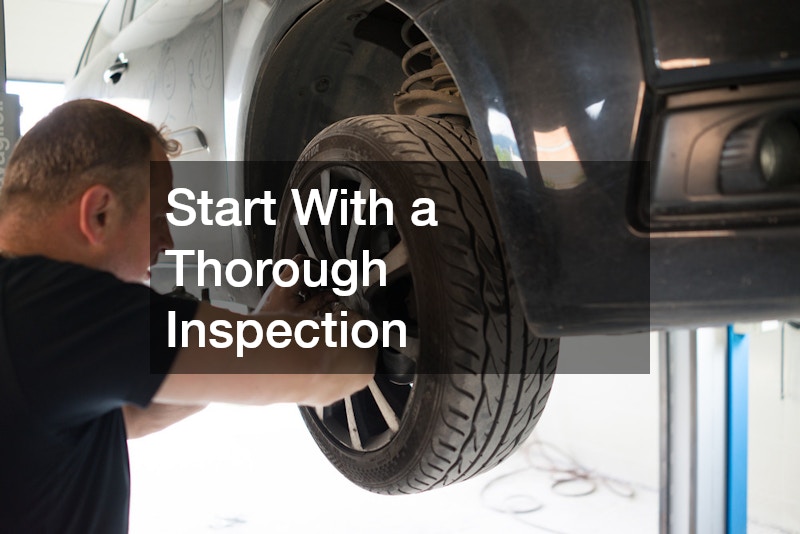
Before listing a classic car for sale, it is essential to inspect every component of the vehicle. A professional evaluation can uncover issues that would otherwise surprise a buyer. Some sellers may be tempted to overlook minor faults, but in this market, transparency is a seller’s best ally.
Begin with mechanical systems: engine performance, suspension, brakes, and electrical components. If the car has been sitting idle for years, fuel delivery issues or corrosion may be present. Taking the car to reputable auto shops or specialists who understand vintage vehicles will provide an accurate picture of its condition. Even seasoned enthusiasts can miss subtle problems that affect performance or value, so a second set of professional eyes is invaluable.
Additionally, documenting the inspection with photographs and written notes can enhance credibility in listings. Buyers are more willing to pay a premium when they know the vehicle has been thoroughly checked and maintained by experts. In many cases, having a certified inspection report included in the listing helps the car sell faster.
Essential Mechanical Maintenance
Tune Ups and Fluids
A thorough tune-up is often among the first items on a seller’s checklist. This includes replacing spark plugs, checking ignition timing, and ensuring that all fluid levels are correct. Classic engines can be temperamental when neglected, and fresh fluids can improve performance dramatically.
For example, an oil change might seem like a routine task for modern cars, but for a classic with an older engine, clean oil can prevent wear and make the vehicle run more smoothly. While changing oil does not reinvent the car, it signals to potential buyers that the seller has cared for the vehicle and is committed to proper maintenance. Other fluid checks, including transmission and brake fluid, are equally important to ensure safe and reliable operation.
Brakes and Wheels
Safety systems deserve special attention. A brake inspection by a trusted brake shop can uncover worn pads, leaking lines, or outdated rotors. Classic cars often have braking systems that predate modern standards, and refreshing these parts increases safety and value. Even minor imperfections in braking can influence negotiations, so addressing these issues before listing makes a strong first impression.
Equally important is wheel alignment. A proper tire alignment ensures that the car handles predictably and that tires wear evenly. While a classic might be more about style than speed, buyers typically expect solid handling and dependable steering geometry. Misaligned wheels can suggest neglect and reduce buyer confidence. Including a brief note about recent wheel balancing or tire replacement in the listing can reassure potential buyers.
Specialized Repairs
Some classic cars require unique parts or expertise. Whether it is sourcing vintage components or addressing age related issues, specialized repairs may be necessary. Partnering with skilled technicians experienced in classic or antique vehicles is key. Even complex fixes can be a good investment. A painstakingly restored transmission or a rebuilt carburetor can elevate a listing from average to exceptional. Preserving originality while addressing mechanical issues is often the balance that buyers value most.
Documenting Vehicle History
Once the mechanical fundamentals are in place, documenting the car’s history becomes the focus. Buyers of classic vehicles want context. They want to know where the car has been, who maintained it, and what work has been done over the years.
Build a Comprehensive History File
Start assembling receipts, maintenance records, inspection reports, and parts invoices into a well-organized file. Group documents chronologically and label them clearly. If the vehicle has original paperwork from the manufacturer or early ownership documents, include them.
Detailed records serve multiple purposes:
- They reassure buyers that the car has been cared for appropriately
- They provide proof of investment, which can support a higher asking price
- They help buyers understand what parts or services have already been completed
A carefully documented history is one of the most valuable assets a seller can present, and it often justifies a premium in price, especially among collectors who value originality and provenance. Including notes about professional car repair or RV repair work adds credibility and transparency for buyers seeking assurance that the vehicle is road ready.
Highlight Rare or Original Features
Classic car buyers often seek originality. Original paint, matching engine and chassis numbers, and first-generation components enhance desirability. In the listing, make sure to spotlight these features. If any parts have been replaced with modern upgrades, be transparent about it and note the benefits.
Authenticity is particularly important for high-end or collector vehicles. When buyers see that a seller respects the car’s heritage, they feel more confident that they are making a sound purchase. Including before and after photos of restoration work or mechanical upgrades can also strengthen a listing. Clear, well-presented information about these features often justifies a higher asking price.
Professional Photography and Listing Optimization
With the vehicle mechanically prepared and its history documented, the next step is presentation. Photos and written descriptions make the first impression for online buyers. High-quality visuals can capture attention and generate more inquiries.
Capture Every Detail
Take photos that showcase:
- The full exterior from multiple angles
- Interior components, including dashboard, seats, and flooring
- Engine bay and mechanical details
- Trunk space and undercarriage, if possible
A mix of wide shots and close-ups helps buyers assess condition. Make sure lighting is even and avoid shadows that obscure details. If imperfections exist, include photos of them. It promotes honesty and prevents disappointment later.
Write an Honest, Engaging Description
When drafting your listing, describe the vehicle features, history, and performance accurately. Start with a concise introduction that explains what makes the car special. Then follow with details about its mechanical condition, recent maintenance, and any parts replaced or upgraded.
Avoid vague statements such as runs great. Instead, be specific. For example, the engine starts easily and maintains a stable idle; a recent carburetor rebuild and new fuel lines were installed. Potential buyers appreciate detail and are more likely to reach out when they feel fully informed. Mentioning professional work from auto shops or brake shops reassures buyers of the car’s reliability.
Choosing the Best Place to Sell a Classic Car Online

Once the car is ready and the listing content is prepared, choosing where to list it becomes the next priority. The internet offers many options, from general marketplaces to specialized platforms that cater specifically to classic and collector cars.
While national automotive sites attract high traffic, they may not always target serious enthusiasts. In contrast, niche platforms designed for vintage vehicles tend to draw buyers who are actively seeking classics and are more willing to pay premium prices.
Determining the best place to sell a classic car online depends on several factors:
- Audience reach
- Buyer intent
- Listing flexibility and customization
- Fee structure and seller support
Sites that specialize in vintage automobiles often allow sellers to upload extensive photo galleries, detailed specifications, and historical documents, all of which enhance visibility and credibility. Some even provide expert appraisal services, which help justify the asking price and create a more attractive listing.
Marketing Beyond the Listing
While choosing the right platform plays a big role, effective marketing does not end there. Social media, automotive forums, and enthusiast groups can amplify exposure. Posting in classic car communities connects sellers with like-minded buyers who appreciate the vehicle’s unique qualities.
Additionally, consider creating a short video walkaround and engine demonstration. Videos allow buyers to hear the engine, see how doors and mechanisms function, and get a better sense of the car’s presence beyond still images. Even a few minutes of video footage can improve buyer confidence significantly.
Sharing this content on video platforms or car clubs increases engagement and helps the listing stand out in a crowded marketplace. Sellers can even highlight any professional auto repair or maintenance history to boost credibility further.
Pricing Your Classic Car With Confidence

Setting the right price is both an art and a science. The price is too high, and you risk deterring buyers. The price is too low, and you leave money on the table. Research comparable vehicles in similar condition and with similar provenance. Pay attention to recent sales rather than just asking prices.
Keep in mind that classic cars are unique. Mileage, originality, and rarity impact value significantly. If your vehicle has been restored to concours condition, that premium should be reflected in your price. When in doubt, appraisals from recognized experts can provide authoritative guidance. Proper pricing also saves time by attracting serious buyers who understand the market value.
Final Considerations Before the Sale
Test Drives and Buyer Safety
When a serious buyer shows interest, a test drive is often part of the process. Choose a safe environment for demonstrations and consider having another person present. While classic cars are generally slower than modern vehicles, they may lack features such as anti-lock brakes, traction control, or modern suspension.
It is also wise to understand liability issues. If a buyer requests a test drive, clarify expectations and secure proof of insurance or a temporary waiver if necessary.
Legal Readiness
Sellers should ensure that the title and registration are clear before completing a sale. If there are liens or paperwork discrepancies, resolve them early. Modern vehicles and classics alike require proper paperwork for transfer, and delays at this stage can frustrate buyers.
Additionally, while this is not a legal article, issues can arise in any transaction. Sellers who feel uncomfortable with contractual language or liabilities may consult professionals. In the event of disputes or accidents related to the sale or transfer of a vehicle, a personal injury lawyer or car accident attorney can provide legal counsel and representation. Ideally, these steps will never be necessary if sellers approach the process methodically and transparently.
The Sale
Selling a classic car is an involved but rewarding journey. From mechanical preparation and documentation to choosing the best place to sell a classic car online, every step influences the final outcome. Sellers who take time to ensure their vehicle runs well, looks appealing, and is presented honestly can significantly increase their chances of a successful sale.
For many, selling a classic is not just a transaction. It is a celebration of automotive heritage. With thoughtful preparation, strategic positioning, and attention to detail, sellers can connect their cherished vehicle with a buyer who will appreciate it for years to come. When done correctly, the sale can be a smooth, profitable, and fulfilling experience, leaving both parties satisfied and ready to enjoy the next chapter in the car story.
