
The high-performance daily driver represents a delicate balance between exhilarating capability and everyday practicality. For many enthusiasts, a vehicle is more than just a tool for transportation; it is an extension of their personality and a testament to their dedication to automotive excellence. Building a car that can handle a grueling morning commute while remaining sharp enough for a weekend mountain run requires a strategic approach to maintenance. This duality is only possible when the owner establishes a consistent relationship with a high-quality local auto repair facility. By focusing on mechanical health before aesthetic flair, a driver ensures that their vehicle remains a reliable partner rather than a temperamental project. The journey toward a perfect balance begins with a solid foundation of care, ensuring every component operates at its peak efficiency.
Many drivers make the mistake of prioritizing horsepower over health, but true performance is built on a baseline of reliability. A vehicle that is pushed to its limits on occasion needs more frequent inspections than a standard economy car. A professional technician can spot subtle issues, such as worn bushings or tiny fluid leaks, before they escalate into catastrophic failures. This proactive mindset is what keeps a car on the road and out of the salvage yard. When a driver trusts the expertise of seasoned professionals, they gain the peace of mind necessary to enjoy the full potential of their machine. Establishing this groundwork is the first step in creating a vehicle that delivers both safety and style without compromise.
Establishing Mechanical Integrity
The heart of any high-performance vehicle is the engine, which requires meticulous attention to lubrication. In a car that experiences frequent load changes and high operating temperatures, the fluids undergo significant stress. Adhering to a strict oil change service schedule is the most effective way to protect internal engine components from premature wear. High-quality synthetic lubricants are often preferred in these applications because they maintain their viscosity under extreme heat better than conventional oils. By ensuring the oil is fresh and free of contaminants, the driver protects the turbochargers, camshafts, and bearings that make modern performance engines so impressive.
Beyond the oil, the entire powertrain must be monitored for efficiency. Cooling systems, fuel delivery components, and ignition systems all work in harmony to produce a smooth power band. If one element is out of sync, the driving experience suffers, and fuel economy often drops. A performance daily driver should feel effortless in traffic, with a steady idle and immediate throttle response. Regular diagnostic checks can reveal if sensors are beginning to drift or if filters are becoming restricted. This level of detail ensures that the engine is not just powerful but also resilient enough to handle the repetitive nature of daily driving over many years of ownership.
Enhancing Handling and Stability

A car that goes fast must also handle with precision, and this starts with the suspension geometry. Over time, the rigors of driving over uneven pavement and hitting occasional debris can cause the wheels to shift from their factory-specified positions. A professional alignment is necessary to restore the car’s intended handling characteristics. When the wheels are properly positioned, the car tracks straight and the steering feels centered and communicative. This is particularly important for drivers who have upgraded to stickier performance tires, as incorrect geometry can ruin an expensive set of rubber in just a few thousand miles.
Stability is not just about going straight; it is about how the car transitions through corners. Components like control arm bushings and ball joints are responsible for maintaining the suspension’s integrity under load. In a high-performance setting, these parts are subjected to higher lateral forces, which can lead to accelerated wear. Replacing worn components with stiffer, more durable versions can sharpen the car’s reflexes without necessarily making the ride uncomfortable. The goal for a daily driver is to achieve a “planted” feel that inspires confidence at highway speeds while remaining supple enough to soak up minor road imperfections.
Safety and Braking Performance
If an engine is the heart of the car, the brakes are its most important safety feature. For a daily driver that sees spirited use, standard braking components may not always be sufficient. A comprehensive brake repair using high-performance pads and rotors can significantly reduce stopping distances and improve pedal feel. Modern ceramic or semi-metallic pads are designed to operate over a wider temperature range, ensuring that the brakes work just as well on a cold morning as they do after a series of heavy decelerations. This upgrade provides a level of safety that is essential when navigating unpredictable traffic.
Maintaining the hydraulic side of the braking system is equally vital. Brake fluid can absorb moisture over time, which lowers its boiling point and can lead to a soft or spongy pedal during hard use. Regularly flushing the system with high-quality fluid ensures that the pressure applied to the pedal is translated directly into stopping power. For a vehicle that carries both the owner and their family, there is no room for error in the braking system. A well-maintained set of brakes does more than just stop the car; it provides the tactile feedback that allows a driver to feel exactly how much grip is available at any given moment.
Sourcing Durable Replacement Parts
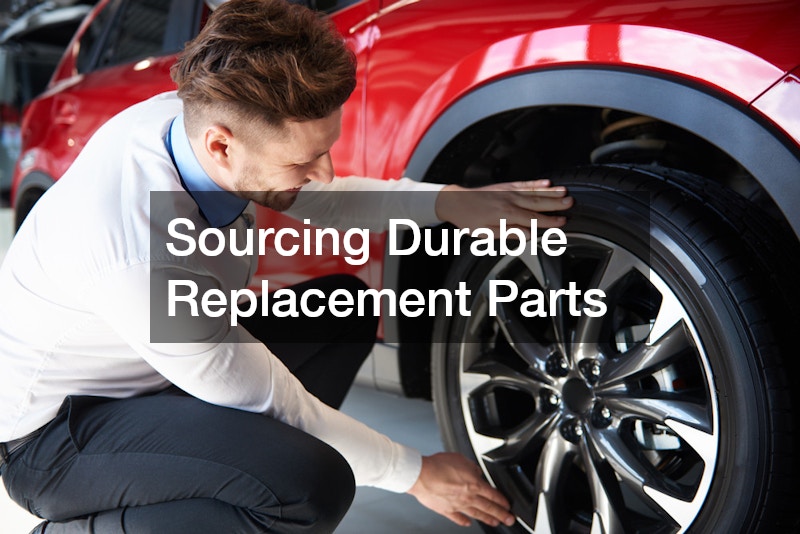
The longevity of a high-performance vehicle depends heavily on the quality of the parts used during its lifespan. When a component eventually wears out, the temptation to save money with the cheapest possible replacement can be strong. However, utilizing a specialized auto part service that provides OEM or better-than-OEM components is a much wiser investment. High-performance cars often have tighter tolerances and more complex electronics that do not respond well to subpar aftermarket substitutes. Using the right parts ensures that the vehicle continues to perform exactly as the manufacturer intended, preserving its value and its character.
Furthermore, the right parts can often solve inherent weaknesses in a vehicle’s design. Many enthusiasts look for “heavy-duty” versions of common wear items, such as water pumps or belt tensioners, to increase the overall robustness of their daily driver. This approach minimizes the likelihood of being stranded by a minor mechanical failure. When every part of the car is of a known, high-quality standard, the driver can push the vehicle with greater confidence. This commitment to quality is what allows a high-performance machine to reach high mileage milestones while still feeling like a new car from behind the wheel.
Protecting the Visual Investment
Once the mechanical aspects are secured, the focus often shifts to the vehicle’s appearance. A daily driver faces a constant barrage of environmental threats, from ultraviolet rays to road-borne debris. To keep the exterior looking sharp without the constant need for waxing and detailing, many owners opt for a professional auto wrap. This thin layer of high-tech vinyl acts as a shield for the original paint, preventing rock chips and chemical etching. It also offers the chance to personalize the vehicle with unique colors or finishes that are not available from the factory, making the car truly one-of-a-kind.
The beauty of a wrap is that it is entirely reversible. If the owner decides to sell the car or simply wants a different look, the vinyl can be removed to reveal the pristine paint underneath. This protection is especially valuable for cars with rare or expensive factory paint colors. In addition to the aesthetic benefits, modern wraps are incredibly durable and easy to maintain. They often feature hydrophobic properties that make washing the car a simple task. For someone who uses their car every day, reducing the time required for cleaning while maintaining a “show car” shine is a significant advantage.
Addressing Structural and Cosmetic Damage

Life on the road is unpredictable, and even the most careful drivers can find themselves dealing with minor accidents or parking lot mishaps. When damage occurs, it is essential to seek out a professional body shop that understands the complexities of modern vehicle construction. High-performance cars often utilize lightweight materials like aluminum or carbon fiber, which require specialized repair techniques. Ensuring that the panels are aligned and the paint is matched perfectly is not just about vanity; it is about maintaining the car’s aerodynamic properties and structural safety.
A proper repair also prevents long-term issues like corrosion. If a scratch or dent is left untreated, moisture can reach the bare metal, leading to rust that spreads quickly. Professional technicians use advanced computer systems to match factory paint codes, ensuring that the repair is invisible to the naked eye. This level of craftsmanship preserves the vehicle’s resale value and ensures that the owner can continue to take pride in their car’s appearance. A car that looks neglected is often perceived as being mechanically unsound, so keeping the exterior in top shape is a key part of the high-performance lifestyle.
Improving the Driver Experience
The interior of a vehicle is where the driver spends the majority of their time, and it should reflect the car’s performance capabilities. Adding a well-chosen auto accessory can transform a standard cabin into a more functional and comfortable space. This might involve installing more supportive seating for better lateral hold during cornering or adding modern technology like an updated navigation system or a high-quality audio interface. These small changes make the daily commute more enjoyable and help the car feel more modern, even as it ages.
Other interior upgrades focus on the tactile points of the car. A thicker, leather-wrapped steering wheel or a weighted shift knob can significantly improve the connection between the driver and the machine. Even high-quality weather-resistant floor mats can be a smart addition for a daily driver, protecting the interior from the dirt and moisture of the changing seasons. By tailoring the cabin to their specific needs, the owner creates an environment that is both relaxing for the commute and engaging for the weekend drive. The goal is to create a space where every control is within reach, and every surface feels premium.
Optimizing for Maximum Performance

For those who want to take their daily driver to the next level, a specialized auto modification shop can offer a range of performance enhancements. These professionals can install aftermarket exhaust systems that provide a more aggressive sound or re-map the engine’s computer to unlock hidden potential. The key to a successful modification is balance; the car must remain drivable in heavy traffic and reliable enough for long trips. A reputable shop will advise against mods that make the car too loud, too low, or too difficult to maintain for daily use.
Effective modifications often focus on improving efficiency as much as power. High-flow air intakes and more efficient intercoolers can help the engine stay cool and responsive even on hot summer days. Suspension upgrades, such as adjustable coilovers, allow the driver to fine-tune the ride height and stiffness to match their personal preference. When these changes are executed correctly, the car feels more athletic and eager to perform. It is about enhancing the car’s existing DNA rather than trying to turn it into something it was never meant to be. This measured approach ensures the car remains a joy to drive in every situation.
The Importance of Routine Upkeep
Maintaining a high-performance vehicle is an ongoing process that requires a commitment to routine auto repair and inspection. As components age, they naturally lose some of their efficiency, and staying on top of these small changes is what prevents major breakdowns. Whether it is replacing a worn belt, swapping out old spark plugs, or flushing the transmission fluid, each task plays a role in the car’s overall health. A driver who ignores the small signs of wear will eventually be faced with a car that no longer feels “high-performance.”
Consistency is the secret to automotive longevity. By keeping a detailed log of all services and staying ahead of the manufacturer’s recommended intervals, an owner can ensure their car stays in peak condition for hundreds of thousands of miles. This dedication pays off not only in the driving experience but also in the long-term cost of ownership. A well-maintained car is less likely to suffer from expensive, emergency failures. For the enthusiast, the time and effort spent on maintenance are small prices to pay for a vehicle that delivers consistent excitement and unwavering reliability every single day.
The ultimate goal of the high-performance daily driver is to provide a seamless transition between work and play. It should be a car that starts every morning without hesitation, navigates city streets with ease, and yet possesses the soul to make a Sunday drive feel special. Achieving this requires a holistic view of the vehicle, where mechanical health, safety, and aesthetics are all given equal importance. By working with skilled professionals and using quality parts, any car can be transformed into a balanced machine. The journey of ownership is a continuous cycle of care and enjoyment, resulting in a vehicle that is truly more than the sum of its parts.
