
Every vehicle owner eventually stands at a critical crossroads, staring down a choice between rolling up their sleeves in the garage or handing the keys over to a professional automotive technician. With an endless library of online instructional video guides, digital repair manuals, and specialized tools accessible at the click of a button, tackling automotive projects at home has never seemed more achievable. However, modern automobiles are remarkably complex machines, seamlessly blending intricate mechanical engineering with sophisticated computer networks and sensitive safety electronics. What begins as a simple weekend project intended to save a few dollars can quickly turn into a frustrating, costly ordeal if a job exceeds an individual’s skill level, tooling setup, or available time.
Understanding where to draw the line between a satisfying do-it-yourself task and a job best left to certified mechanics requires careful consideration. DIY efforts offer significant personal satisfaction, flexible scheduling, and clear savings on labor costs when performed correctly. On the other hand, professional service facilities bring specialized diagnostic machinery, dedicated hydraulic hoist equipment, formal technical training, and broad warranty protection to the table. Attempting an overambitious car repair without adequate preparation can lead to improper component assembly, compromised vehicle handling, or unexpected mechanical failure while driving at high speeds. When an amateur modification or complex mechanical fix goes wrong away from home, driver safety is immediately compromised, often requiring specialized emergency roadside assistance to tow the disabled vehicle safely to a certified service center. Striking the ideal balance between hands-on labor and professional shop expertise comes down to evaluating four fundamental factors: safety implications, specialty tool requirements, overall project complexity, and total financial investment. Vehicle owners who assess these key parameters before picking up a wrench protect both their financial investment and their personal safety on the road.
Surface Maintenance and High-End Aesthetic Care
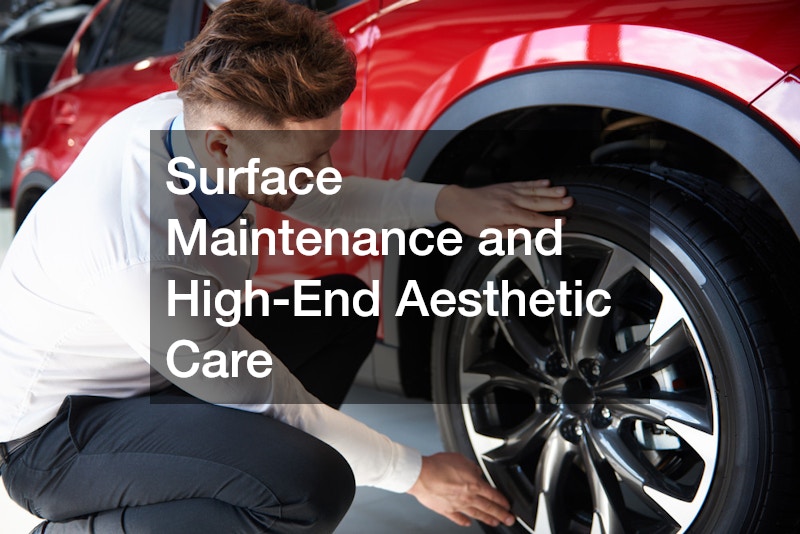
Vehicle preservation begins with regular aesthetic maintenance, a domain where hands-on owner effort and high-end professional expertise frequently overlap. Basic cleaning, interior vacuuming, and applying off-the-shelf paint waxes are classic weekend tasks that most vehicle owners can comfortably perform with minimal equipment. Washing a vehicle at home using a standard two-bucket method, quality microfiber towels, and dedicated automotive soap effectively removes surface dust, road grime, and light environmental debris. These routine cleaning steps maintain basic paint cleanliness and prevent corrosive road salt, tree sap, or bird droppings from etching into the clear coat over extended periods.
However, achieving a true showroom shine involves far more than routine washing and hand waxing. High-end car detailing demands multi-stage paint correction, clay bar de-contamination, dual-action rotary polishing to eliminate deep swirl marks, and precision application of durable ceramic or graphene glass coatings. Professional detailers work in specialized, temperature-controlled, dust-free bays equipped with high-intensity lighting arrays designed to highlight even microscopic clear coat imperfections. Attempting rotary paint correction at home without prior experience can quickly burn through a vehicle’s delicate clear coat, turning a minor cosmetic touch-up into an expensive body shop repair requiring full panel repainting.
Similarly, altering glass appearance or heat rejection properties presents distinct technical challenges that extend beyond simple film application. While pre-cut film kits are widely available online, hiring a professional car window tinting service guarantees precise edge alignment, complete bubble elimination, and long-term durability against peeling. Window film installation requires an exceptionally clean environment, high-precision heat shaping to conform the film to complex curved glass, and razor-sharp trimming skills. Poorly executed DIY tint projects routinely suffer from unsightly purple discoloration, peeling edges, trapped dust specks, and persistent air pockets that obscure rearward vision. Furthermore, certified installation shops understand regional legal darkness thresholds, ensuring that installed window film remains fully compliant with local traffic laws.
Mechanical Safety and Critical System Servicing
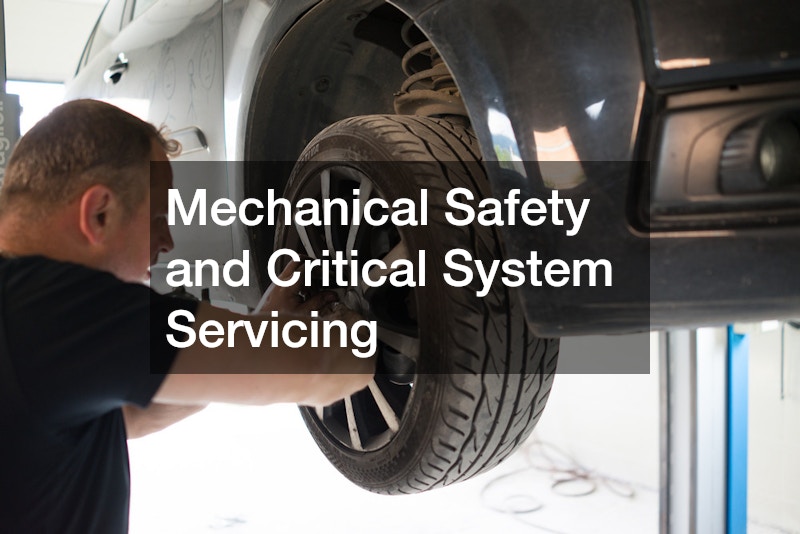
While cosmetic projects primarily impact vehicle appearance and long-term resale value, mechanical maintenance directly influences operational reliability and passenger safety. Basic mechanical chores, such as replacing engine air filters, swapping out windshield wiper blades, changing cabin air filters, or checking engine fluid levels, are straightforward tasks that almost anyone can perform with basic hand tools. These quick maintenance routines build practical familiarity with the engine bay while saving routine service fees at the dealership or local garage.
As maintenance tasks progress toward fundamental dynamic vehicle systems, the stakes increase dramatically. Executing a routine brake repair at home is technically within reach for an experienced DIY enthusiast, but it leaves virtually no margin for error. Replacing worn friction pads and surface rotors requires precise torque calibration, thorough cleaning of caliper slide pins, application of high-temperature grease, and proper hydraulic fluid bleeding procedures. Installing brake pads improperly, over-tightening caliper bolts, failing to properly seat anti-rattle hardware, or introducing air bubbles into hydraulic lines can drastically diminish stopping efficiency or cause complete pedal loss during panic stops.
Beyond braking components, complex mechanical tasks like replacing engine timing belts, rebuilding automatic transmission assemblies, or replacing steering racks demand specialized diagnostic machinery and precise manufacturer specifications. Professional automotive centers invest tens of thousands of dollars in calibrated torque wrenches, hydraulic lifts, pneumatic tools, and vehicle-specific diagnostic computers. A professional shop also provides essential peace of mind through detailed labor warranties and parts coverage. If a newly installed component fails prematurely, the cost of labor and replacement falls on the shop rather than the vehicle owner. For critical vehicle safety systems, relying on professional expertise is almost always the safest and most cost-effective choice.
Electrical Systems and Interior Upgrades
Modern cabin interiors have evolved from simple physical transportation spaces into technologically dense environments packed with electronics, convenience features, and automated safety systems. Upgrading interior components often involves navigating intricate wiring harnesses, body control modules, and sensitive airbag deployment zones concealed behind delicate decorative trim panels. While swapping out carpet mats or installing phone mounts requires zero technical knowledge, integrating powered electronic accessories demands a solid understanding of automotive electrical theory, voltage drops, current draw, and circuit protection.
Simple electrical additions, like plugging in a dash camera or adding plug-and-play LED lighting, present minimal operational risk. Problems arise when modifications require splicing directly into original factory wiring harnesses or tapping into internal fuse panels. Modern automobiles utilize complex multiplexed network systems where even a minor voltage mismatch or improper ground point can trigger persistent dashboard error lights, drain the battery overnight, or inadvertently disrupt non-related electronic control modules.
Comfort upgrades highlight this division clearly. While portable, plug-in warming seat pads are simple accessory additions, turning to certified heated seats installers is necessary for permanent, factory-style interior heat integration. Professional installation involves carefully removing delicate upholstery covers, positioning flexible heating elements without interfering with internal seat occupancy sensors or side-impact airbags, routing heavy-duty wiring through carpet channels, and mounting dedicated electrical relays with proper inline fuse protection. An amateur electrical installation runs the severe risk of creating short circuits, damaging original upholstery, or causing internal thermal scorching beneath the seat fabric. Professional technicians possess specialized trim removal tools and electrical diagnostic gear to deliver clean, safe, and seamless interior comfort enhancements without compromising cabin safety features.
Truck Modifications, Protection, and Cargo Management
Pickup trucks present a unique canvas for vehicle customization, serving as daily personal transportation, heavy workhorses, and recreational adventure vehicles. Upgrading a truck bed with practical accessories allows owners to tailor vehicle utility to their exact work and leisure needs. Many basic utility additions, such as drop-in rubber bed mats, tie-down anchor cleats, or bolt-on bed rail protectors, are simple DIY projects that require basic hand tools and minimal mechanical experience.
However, weatherproofing and securing valuable cargo introduce additional design and installation requirements. Installing a high-quality tonneau cover represents an essential upgrade for protecting tools, luggage, and outdoor gear from harsh weather elements and theft. While simple soft-folding covers can often be mounted to bed rails in under an hour by an attentive individual, heavy-duty hard-folding, paint-matched fiberglass, or motorized retractable covers require exact rail alignment, precise tensioning, and strategic weather-strip positioning. Imprecisely mounted bed covers allow rainwater to pool inside the bed, suffer from annoying highway wind noise, or experience binding along the locking mechanism tracks.
Cargo organization is another area where component selection and installation precision matter greatly. Adding a modular truck bed storage system, such as heavy-duty sliding drawer units, side-mounted aluminum toolboxes, or full-bed slide platforms, dramatically improves utility for tradespeople and outdoor enthusiasts. Simple bolt-in toolboxes are easily managed in a home driveway, but full-length sliding systems require careful consideration of vehicle payload limits, wheel well clearances, and structural mounting points. Ensuring that heavy storage drawers are anchored securely prevents dangerous shifting under hard braking or sharp turns, making professional installation a smart option for complex, heavy-duty cargo management systems.
Towing Systems, Accessories, and Heavy-Duty Capabilities

Enhancing vehicle capacity for heavy hauling, off-road exploration, or commercial transport expands utility far beyond original factory limits. The market for aftermarket truck parts and accessories offers everything from heavy-duty steel bumper assemblies and electric recovery winches to suspension lift kits and high-output auxiliary lighting arrays. Deciding whether to install these upgrades at home comes down to evaluating physical component weight, structural impact on the chassis, and electrical draw on the vehicle’s alternator.
Minor exterior additions, such as installing custom step bars, splash guards, or decorative front grille inserts, are straightforward weekend tasks. These components typically utilize existing factory mounting holes and require standard hand tools to fasten securely. Conversely, installing heavy-duty suspension upgrades, performance exhaust systems, or high-output lighting bars demands advanced mechanical competence. Suspensions under heavy spring tension pose serious physical safety hazards during disassembly, while high-wattage lighting setups demand heavy-gauge wiring, dedicated relays, and custom switch routing to protect the primary electrical system.
Towing hardware represents another high-stakes upgrade category. Setting up a vehicle to tow heavy equipment, camper units, or commercial truck trailers requires precise structural attachment and accurate electrical wiring. Mounting a receiver hitch sounds simple on paper, but ensuring fasteners are properly torqued to frame rails is vital for highway safety. Furthermore, integrating seven-pin wiring harnesses, electric brake controllers, and weight-distribution hitches requires a deep understanding of dynamic tongue weight and braking friction. Improperly installed towing equipment can lead to catastrophic trailer sway, brake controller failure, or structural frame strain while pulling heavy loads on open highways. Professional equipment installers ensure all tow hitches, brake lines, and safety chains conform strictly to gross vehicle weight ratings.
Evaluating Tools, Warranties, and Long-Term Value

Beyond technical skill and physical safety, deciding between DIY projects and professional installation requires a realistic look at financial investments, specialized tool costs, and long-term vehicle value. Many vehicle owners assume that doing work themselves is always cheaper. However, calculating the true cost of a DIY project means factoring in the price of specialized tools, diagnostic equipment, safety stands, and the personal time required to complete the job properly.
Purchasing specialized automotive tools–such as torque wrenches, spring compressors, OBD-II diagnostic scanners, or hydraulic floor jacks–can quickly erase any theoretical savings from avoiding professional labor fees. If a specialized tool is only used once or twice, the financial benefit vanishes entirely. Additionally, professional shops possess access to commercial-grade software and specialized machinery that allow them to complete complex tasks in a fraction of the time it takes an amateur working in a home driveway.
Vehicle warranty protection and resale documentation also weigh heavily in favor of professional service for major upgrades. New vehicles come with manufacturer warranties that can be compromised if an amateur modification causes damage to surrounding systems or leads to mechanical failure. Certified repair facilities provide itemized invoices, official service records, and professional warranties on both parts and labor. When it comes time to sell or trade in a vehicle, a documented history of professional maintenance and installation carries significant weight with potential buyers, preserving the vehicle’s market value far better than undocumented driveway modifications.
Balancing Hands-On Enthusiasm with Professional Expertise
Finding the right balance between DIY projects and professional shop services ultimately comes down to honest self-assessment regarding skill, time, and equipment. Tackling straightforward cosmetic cleaning, basic maintenance items, and simple bolt-on accessories offers a fantastic way to bond with a vehicle while keeping ownership costs low. These manageable projects build practical mechanical confidence and deliver immediate satisfaction.
However, when a job involves critical safety systems, complex electrical wiring, high-stakes structural towing components, or advanced surface restoration, the investment in professional service pays major dividends. Professional shops deliver peace of mind, specialized machinery, warranty coverage, and flawless execution that protects both occupants and vehicle resale value. Knowing when to pick up a tool and when to schedule an appointment is the mark of a truly savvy vehicle owner.
