
A vehicular collision happens in a fraction of a second, yet the recovery process unfolds over days, weeks, or even months. Motorists often find themselves overwhelmed by the sudden barrage of decisions required immediately after an impact. Between managing scene safety, assessing physical damage, coordinating with insurance adjusters, and determining how to restore daily mobility, drivers require clear and steady guidance. Having a structured roadmap transforms what feels like a chaotic crisis into a manageable, step-by-step procedure that protects both human safety and financial investment.
Navigating the post-crash environment successfully requires understanding both immediate roadside duties and long-term vehicle restoration requirements. Every choice made in the moments and days following an incident influences how smoothly vehicle repairs proceed and how effectively the vehicle value is preserved over time. From managing emergency roadside breakdowns to ensuring full structural and mechanical integrity, vehicle owners benefit immensely from knowing exactly what to expect at every single stage of the restoration journey.
This comprehensive guide provides a practical playbook designed to lead motorists through every critical phase of post-accident recovery. By breaking down the process into logical steps, car owners can make calm, well-informed decisions rather than emotional or rushed choices during high-stress situations. Whether dealing with minor cosmetic scrapes or severe mechanical breakdowns, knowing how to coordinate emergency response providers, certified technicians, and necessary legal representation ensures a smooth, transparent, and confident return to normal road operations. Taking proactive ownership of each phase reduces friction with claims adjusters, minimizes repair delays, and prevents costly mistakes that could compromise safety.
Immediate Steps at the Scene: Securing Safety and Transport
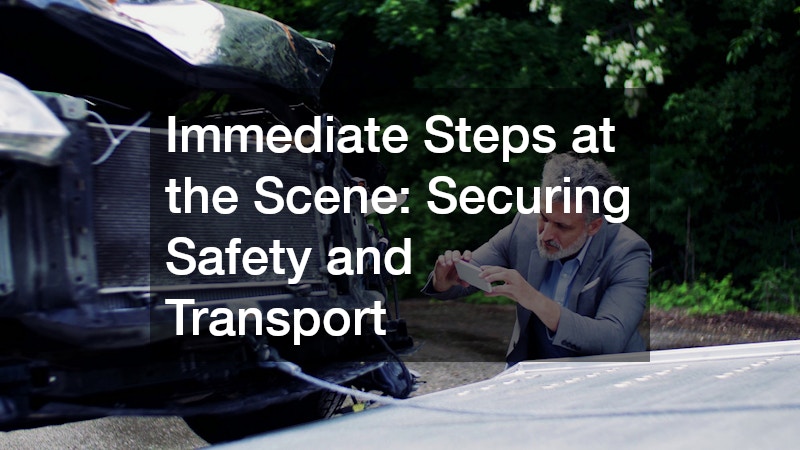
The moments immediately following a collision are almost always unsettling, chaotic, and stressful for everyone involved. Drivers must prioritize personal safety and the well-being of all passengers before turning their attention toward vehicle inspection or administrative details. If the vehicle remains partially mobile, steering it safely onto the shoulder or off a busy thoroughfare minimizes the dangerous possibility of secondary collisions on fast-moving roads. Activating hazard lights, setting up reflective warning markers, and staying inside the vehicle when traffic is heavy creates a crucial protective barrier while waiting for emergency responders to arrive safely on the scene.
Once physical safety is established, evaluating the operational state of the vehicle becomes the next logical priority. Drivers frequently confront sudden roadside immobilizations caused by damaged suspensions, bent axles, blown tires, or leaking vital fluids. In situations where a vehicle has merely sustained minor tire damage from road debris or a curb impact, requesting professional flat tire assistance can quickly resolve the issue and allow the vehicle to proceed under its own power without significant disruption to the day. However, when structural damage, severe fluid losses, or compromised steering systems render the car unsafe or illegal to drive, basic roadside aid is simply insufficient.
In those major breakdown scenarios, calling for professional towing becomes essential to haul the compromised vehicle safely away from active traffic lanes and transport it directly to a secure holding facility or repair facility. Prompt transport prevents further mechanical strain on damaged drive trains and protects the vehicle from secondary roadside incidents, passing traffic, or weather exposure. While awaiting the arrival of the transport vehicle, drivers should take detailed photos of the scene, including vehicle positioning, visible damage, road conditions, skid marks, and relevant traffic signs. Gathering contact details from other involved drivers and eyewitnesses creates an objective record that will support all subsequent insurance claims.
Navigating Insurance Claims and Legal Protection
Handling the administrative and financial ramifications of a roadway accident introduces a completely different layer of stress for vehicle owners. Insurance adjusters typically contact involved parties quickly to gather statements and begin evaluating damage claims. While insurance representatives aim to settle matters efficiently, initial damage estimates and quick settlement offers frequently fail to capture the full scope of hidden mechanical issues, structural compromises, or delayed physical injuries that often appear days or weeks after the initial incident.
Navigating complex claim procedures requires a thorough understanding of insurance policy terms, coverage limits, and applicable state regulations. Drivers who experience significant vehicle damage, disputed liability, or personal injuries often find it beneficial to consult a knowledgeable car accident lawyer. A skilled legal professional reviews official police reports, analyzes medical documentation, and examines structural repair estimates to ensure that insurance settlements fully account for both immediate out-of-pocket expenses and long-term financial losses. Having experienced legal advocacy prevents drivers from accepting premature settlements that leave them paying for unforeseen vehicle repairs or medical treatments later.
Clear, disciplined, and accurate communication is vital throughout the entire claims process. Maintaining a dedicated record folder containing accident report numbers, photos, written repair estimates, and medical notes helps keep every critical detail organized and accessible. Motorists should refrain from speculating about fault or making definitive statements regarding their physical health until comprehensive medical evaluations and thorough mechanical inspections have been fully completed by certified professionals who specialize in collision analysis.
Choosing the Right Facility for Structural and Exterior Repairs
Once emergency transportation is complete and initial claims are filed, the focus shifts toward restoring the structural and cosmetic integrity of the vehicle. Vehicle owners should understand that in most jurisdictions, they possess the legal right to choose where their vehicle is repaired, rather than being forced to use an insurance company’s preferred facility. Choosing a certified collision repair shop guarantees that the vehicle receives specialized care designed to restore it to strict manufacturer safety specifications and original structural performance standards.
Modern vehicles utilize complex unibody structures, advanced crumple zones, and high-strength alloy metals engineered to absorb and redirect impact energy during a crash. Restoring these sophisticated structural systems requires specialized frame-alignment machinery, precise laser measuring technology, and trained technicians who understand structural geometry and metallurgy. A thorough inspection involves disassembling damaged areas to uncover hidden structural twists, compromised spot welds, or weakened support pillars that could compromise occupant safety in a future accident if left uncorrected.
Aesthetic recovery is equally vital for preserving both vehicle resale value and owner satisfaction over time. Skilled technicians specializing in auto body restoration carefully realign bent sheet metal panels, pull minor dents, replace destroyed bumpers, and execute exact paint matching routines. Utilizing computerized paint formulation ensures that newly refinished sections blend smoothly with existing factory paint. Meticulous panel alignment and weather-seal fitting guarantee that doors, hoods, and trunks close securely without wind noise, water leaks, or awkward panel gaps. Investing time into selecting a certified repair facility ensures that the restored vehicle returns to the road, meeting the exact safety and structural specifications established by its original designers.
Under the Hood and Beyond the Glass: Mechanical and Structural Restoration
Impact forces from a collision rarely stay confined to external sheet metal and cosmetic bumpers. Deceleration energy often travels deep into the vehicle engine bay, damaging sensitive mechanical systems, cooling structures, air intake components, and complex electrical wiring networks. Comprehensive computer diagnostic scans are necessary after any moderate collision to detect hidden error codes, sensor failures, or mechanical shifts that visual inspections alone cannot reveal.
When internal mechanical components sustain damage, securing professional auto engine repair services is vital to ensure long-term vehicle reliability and road safety. Impact forces can crack radiator supports, shift heavy motor mounts, puncture fluid lines, or bend delicate engine pulleys and accessory belts. Leaving these underlying mechanical issues unaddressed can result in engine overheating, severe oil starvation, or sudden stalling while driving at highway speeds, turning a newly repaired vehicle into a serious driving hazard on the open road.
Visual clarity and structural enclosure are equally vital during the rebuilding process. Cracked windshields, shattered side windows, or damaged rear glass compromise both driver visibility and the overall structural strength of the vehicle cabin during a rollover scenario. Professional auto glass services ensure that replacement glass meets rigid original equipment manufacturer standards and is installed using high-grade structural adhesives. Furthermore, because modern windshields house crucial cameras and sensors for advanced driver assistance systems, precise recalibration during glass installation is necessary to keep active safety features working properly. Addressing both internal mechanical systems and primary glass components simultaneously guarantees that the vehicle operates reliably, remains structurally sound, and keeps advanced safety systems fully functional for the long haul.
Special Preservation: Vintage Restorations and Protective Coatings
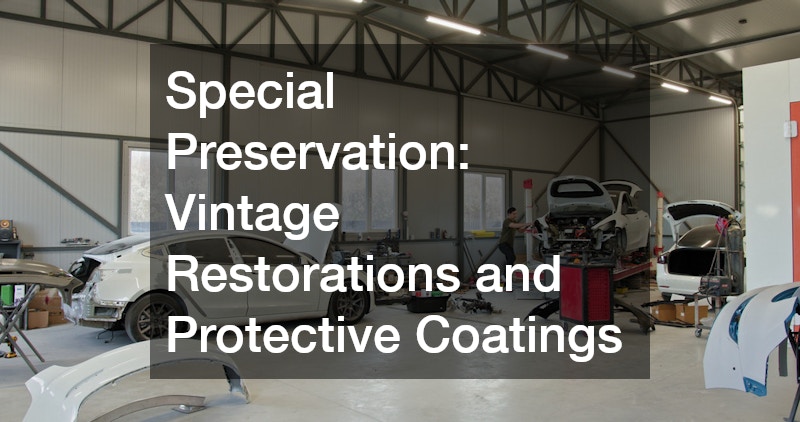
Standard restoration protocols are often insufficient when dealing with rare, antique, muscle cars, or highly customized automobiles. Vintage vehicles feature unique mechanical layouts, custom-formed metal panels, and original paint chemistry that require specialized techniques unavailable at ordinary production repair facilities. In these situations, seeking out expert classic auto repair guarantees that historical accuracy, authentic replacement components, and overall collector value are carefully preserved throughout the entire restoration process.
Specialized craftsmen working on vintage vehicles rely on traditional metal shaping techniques, specialized metal fabrication, and international parts networks to source or reproduce rare components that are no longer manufactured. Preserving the original character and structural layout of a vintage automobile while repairing severe impact damage demands extraordinary patience, specialized tools, and a deep understanding of historic automotive engineering and construction methods.
After physical panel repairs and painting are finished, protecting the newly restored exterior becomes a high priority for discerning vehicle owners. Applying a premium ceramic coating creates a durable, hydrophobic chemical shield over the clear coat, guarding the finish against ultraviolet fading, environmental pollutants, harsh road chemicals, and light surface scratching. This advanced surface protection preserves paint depth and high gloss, ensuring that the carefully restored exterior stays looking immaculate and glossy for years to come. Entrusting a vintage automobile to certified specialists who understand historical mechanics and paint preservation ensures that the vehicle retains both its classic charm and its long-term financial appraisal value.
Selecting Reputable Technicians and Verifying Quality

Selecting the best facility to perform complex structural and mechanical repairs requires careful research and active verification of industry credentials. Vehicle owners should prioritize repair facilities that employ certified technicians holding recognized credentials from organizations such as I-CAR or ASE. These certifications demonstrate that the technical team undergoes continuous training on the latest vehicle materials, high-strength welding techniques, and electronic repair standards established by automotive manufacturers.
Finding trustworthy auto shops requires reading verified customer reviews, examining written warranty offerings, and insisting on complete transparency regarding parts selection. Reputable service centers provide comprehensive written estimates, clearly explain necessary procedures, and allow customers to inspect replaced parts upon request. Drivers should always ask whether a facility intends to use original equipment manufacturer parts, reconditioned components, or aftermarket alternatives before authorizing any work on the vehicle.
Performing a meticulous final inspection before taking delivery of the repaired vehicle is an essential step that should never be rushed. Vehicle owners should carefully inspect body panel alignment, examine paint color matching under bright natural sunlight, check all fluid levels, and test all power windows, lights, and electronic features. Requesting a short road test with the service manager allows drivers to verify that steering alignment, braking response, and engine performance feel completely normal before signing off on the completed repairs. Building a strong working relationship with certified repair professionals gives car owners peace of mind, knowing that every structural, mechanical, and aesthetic detail has been addressed according to strict professional standards.
Driving Away with Peace of Mind
The journey from an unexpected vehicular accident back to safe, dependable driving requires patience, organization, and informed decision-making at every stage. By following a systematic playbook, motorists can navigate immediate roadside dangers, protect their legal and financial interests, and ensure their vehicle receives high-caliber structural and mechanical restoration from start to finish.
From the initial moment emergency roadside help arrives until the final post-repair inspection is completed, knowing what steps to take empowers vehicle owners to maintain control over the entire recovery process. Drivers who actively choose certified service facilities, verify repair standards, and seek qualified professional guidance when necessary safeguard both their personal safety and their financial investment. Understanding the full post-accident recovery playbook turns a stressful situation into a manageable path forward, allowing drivers to get back on the road with total confidence, complete clarity, and peace of mind. Equipped with a clear plan of action, motorists can face post-collision challenges head-on, ensuring their vehicle is restored to peak condition for safe travel ahead.
