
That faint tapping or knocking sound coming from under the hood is not something to ignore, no matter how tempting it is to turn up the radio and hope it goes away. Engine knocking usually signals a mechanical problem that gets worse, and more expensive, the longer it goes unaddressed. What starts as a simple fix, like a fuel or oil issue, can spiral into a full engine rebuild or replacement if left undiagnosed for weeks or months. This article breaks down what causes engine knocking, why waiting costs you more, and what steps to take before the damage becomes irreversible.
Identifying the Source of a Knocking Sound
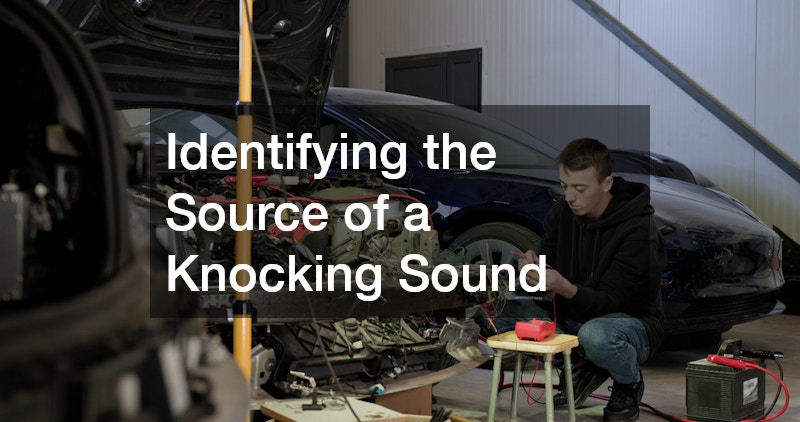
Engine knocking can come from several different places, and pinpointing the exact source matters because the fix and the cost vary wildly depending on what is actually wrong. A rhythmic knock that speeds up with engine RPM often points to worn rod bearings, while a metallic pinging under acceleration may simply mean you are using the wrong fuel octane. Some knocking sounds are not even engine related at all, they come from a loose heat shield or a failing car muffler rattling against the undercarriage. Getting a proper diagnosis early prevents you from throwing money at the wrong repair.
A trained technician will use a stethoscope-like tool or a diagnostic scanner to isolate the noise before recommending any work. Trying to guess based on sound alone, especially through online videos, often leads homeowners to replace parts that were never the problem in the first place. This is why a visit to a qualified auto repair shop early on saves both time and money compared to months of trial and error.
Rod Bearing Wear and Why It Escalates Quickly
Rod bearings are thin metal shells that let the connecting rods spin smoothly inside the engine, and when they wear down, metal starts grinding against metal. This produces the classic deep, rhythmic knock that gets louder as you accelerate. Left unaddressed, worn bearings can shatter, sending metal debris throughout the engine and destroying the crankshaft in the process.
The frustrating part is that rod bearing replacement, while not cheap, is far less expensive than the alternative. Once metal shavings contaminate the oil system, they circulate everywhere, scoring cylinder walls and camshaft surfaces. At that point, a repair that might have cost a few hundred dollars turns into a full engine replacement costing thousands.
Low Oil Pressure and Lubrication Failures
Many knocking sounds trace back to insufficient oil pressure, which can happen due to a failing oil pump, clogged oil passages, or simply running the engine too low on oil. Without adequate lubrication, moving parts start making direct contact with each other, and that contact creates both noise and rapid wear. This is one of the most preventable causes of engine knocking, yet it remains one of the most common.
Regular oil changes and periodic level checks catch this problem long before it becomes audible. If you notice the knocking sound only appears right after startup and fades as the engine warms up, that is often a strong indicator of an oil pressure issue rather than a structural mechanical failure.
- Check oil levels monthly, especially on vehicles with more than 75,000 miles
- Watch for a flickering oil pressure warning light on the dashboard
- Replace oil filters every service interval, not just the oil itself
- Listen for knocking that is loudest at cold start and quiets as the engine warms
Fuel Quality Problems and Improper Combustion
Using a lower octane fuel than your engine requires can cause premature or uneven combustion inside the cylinders, producing the pinging or knocking noise mechanics call detonation. This happens because the air-fuel mixture ignites unpredictably instead of burning in a controlled, timed manner. Over time, this uneven combustion can damage pistons and cylinder heads if the underlying fuel issue is never corrected.
Carbon buildup from cheap or contaminated fuel can also create hot spots inside the combustion chamber that trigger knocking under load. Switching to a higher quality fuel and having your fuel system cleaned periodically often resolves this without any major part replacement. It is a relatively low-cost fix compared to the internal engine damage that prolonged detonation can cause.
Diesel Engine Knocking and Specialized Components
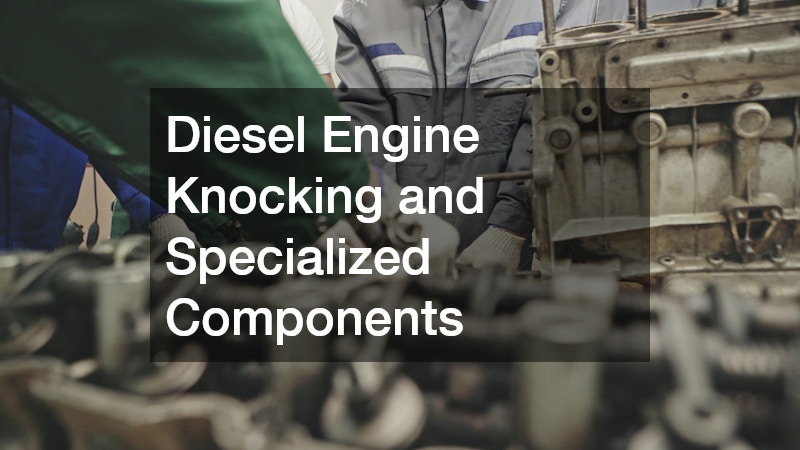
Diesel engines naturally run louder than gasoline engines, but a change in knock intensity or pitch still signals trouble, often related to injector timing, fuel pressure, or worn cylinder components. Because diesel engines rely on compression ignition rather than spark plugs, small timing inconsistencies translate into noticeably different knocking patterns. Diagnosing these issues correctly often requires specialized tools and expertise that general shops may not have on hand.
Sourcing the correct diesel truck parts matters enormously here, since diesel components are built to much tighter tolerances than standard gasoline engine parts. Using mismatched or low-quality replacement parts can actually introduce new knocking issues rather than resolving the original one. For fleet owners or commercial drivers, this is particularly relevant since heavy-duty trucks like Freightliners depend on precision components to run efficiently. In fact, many owners of larger commercial rigs turn to a dedicated freightliner truck repair specialist because these vehicles have unique engine architectures that a standard passenger vehicle shop is not equipped to handle.
Collision Damage That Triggers Hidden Engine Noise
Not all knocking sounds originate from wear and tear, some come from a prior accident that shifted engine mounts, cracked a heat shield, or misaligned components under the hood. A minor fender bender might seem cosmetic at first, but the impact can jostle internal components enough to create new noises weeks or even months later, long after the insurance claim is closed and the bumper is repaired.
Broken or cracked engine mounts are a common culprit. When a mount fails, the engine can shift slightly during acceleration or braking, causing metal-on-metal contact that sounds remarkably similar to internal knocking. A loose heat shield, damaged in even a low-speed collision, can also rattle against the exhaust and mimic a rod knock, sending drivers chasing the wrong repair entirely.
Other hidden culprits include bent brackets, dented oil pans, or pushed-back radiator supports that crowd belts and pulleys. Even a crash that only bends a bumper bracket can transfer enough force to knock a sensor wire loose or crack a plastic housing near the engine, leading to intermittent noises that only show up under specific conditions like cold starts or hard turns.
This is why a full inspection after any collision, regardless of how minor it appears, should include the engine bay and undercarriage, not just the visible body damage. A qualified technician can check mount integrity, look for stress fractures in nearby components, and confirm that nothing was jarred loose before small issues turn into expensive engine repairs.
A fender bender or parking lot bump can shift an engine mount out of alignment or crack a bracket without leaving any visible exterior damage, yet the resulting noise often shows up weeks later as a knock or rattle under acceleration. Because the connection between the collision and the sound isn’t obvious, many drivers assume it’s a routine mechanical issue rather than residual impact damage.
If you suspect impact-related damage is behind the noise, having the vehicle inspected by a shop that specializes in auto collision repair ensures technicians check for bent brackets, damaged mounts, and stressed components that a routine oil change service might miss. These specialists know to look at torque strut mounts, exhaust manifold hangers, and radiator supports, since even minor deformation in these parts can cause metal-on-metal contact that mimics a deeper engine problem.
A thorough post-collision inspection typically includes checking mount bushings for cracking, verifying that the subframe hasn’t shifted, and confirming belts and pulleys are still properly aligned. Skipping this step can mean driving for months with a component that’s slowly working itself loose.
Addressing this early prevents a knocking sound from developing into a more serious mechanical failure down the road, such as a mount finally giving way and causing the engine to shift under load, damaging wiring harnesses or coolant lines in the process.
Towing and Storage Considerations During Diagnosis
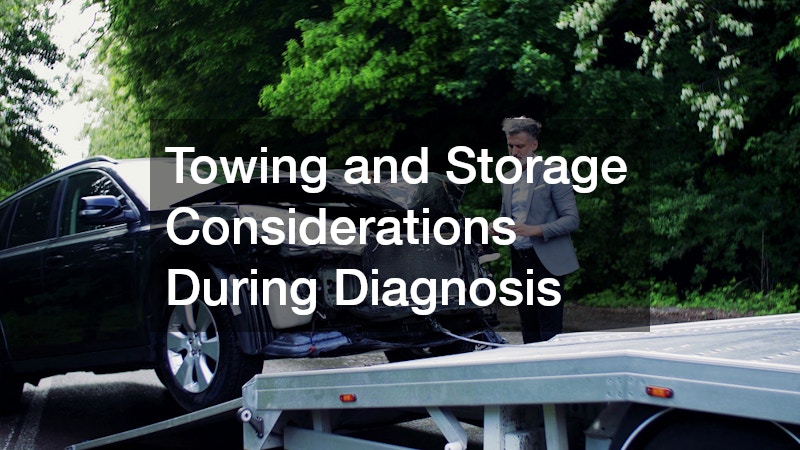
If your engine knocking is severe enough that a mechanic advises against driving the vehicle, arranging a tow is safer and cheaper than risking a breakdown or further internal damage on the road. Continuing to drive a vehicle with a pronounced knock, especially one linked to rod bearings or low oil pressure, can turn a repairable issue into a totaled engine within just a few miles. A rod knock that’s ignored for even a short drive can seize the crankshaft or punch a hole through the engine block, replacing what might have been a $1,500 repair with a $5,000-plus engine replacement.
When choosing a towing company, look for one experienced with flatbed transport rather than standard hook-and-chain towing, since a flatbed prevents added strain on a compromised drivetrain. Ask upfront about mileage rates, wait times, and whether they can deliver directly to your mechanic’s shop or a trusted diagnostic center. Many insurance policies and extended warranties include roadside assistance or towing reimbursement, so it’s worth checking your coverage before paying out of pocket.
Storage is another factor worth planning for, especially if diagnosis or parts sourcing takes longer than expected. Some shops charge daily storage fees once a vehicle sits on their lot beyond an agreed timeframe, which can add up quickly if a diagnosis is delayed or if you’re waiting on a specialty part. Clarifying these fees in advance, and asking whether the shop offers a grace period, can help you avoid unexpected charges layered on top of the repair bill.
Calling a reliable towing company as soon as a mechanic flags a serious issue protects both your safety and your wallet.
Once a knock has been diagnosed, the vehicle often can’t just sit in the driveway while you wait on parts or a repair slot. Continuing to drive a car with a confirmed engine knock risks turning a rod or bearing issue into a cracked block or seized engine, so towing it to a safe location is usually the smarter move rather than limping it home.
If repairs will take an extended period or require sourcing specialty parts, such as forged pistons, a specific bearing set, or a hard-to-find gasket kit, you may also need somewhere secure to keep the vehicle in the meantime. Some specialty parts can take anywhere from a few days to several weeks to arrive, especially for older or less common models, leaving your car in limbo.
A car storage facility can be a practical option for homeowners without garage space, keeping the vehicle protected from weather and theft while parts are ordered or repair schedules are worked out. Look for a facility with covered or indoor units if possible, since prolonged sun and moisture exposure can accelerate rust on exposed engine components.
It’s also worth confirming that the facility allows vehicles with mechanical issues to be stored, and checking whether your insurance policy still provides coverage for theft or damage while the car sits idle. Some storage providers offer month-to-month rates, which can be helpful if your repair timeline is uncertain.
Preventive Maintenance Habits That Catch Problems Early
Most catastrophic engine failures do not happen overnight, they build gradually through small warning signs that go unnoticed. Scheduling routine inspections, paying attention to unusual sounds, and addressing minor issues immediately are the most effective ways to avoid a five-figure repair bill. Consumers who stay proactive about maintenance consistently spend less over the life of their vehicle than those who wait for problems to become undeniable.
Keeping a simple maintenance log, noting oil changes, fluid flushes, and any strange noises, helps both you and your mechanic spot patterns before they escalate.
- Schedule an inspection any time a new sound appears, even if it seems minor
- Keep factory-recommended service intervals rather than stretching them
- Address dashboard warning lights immediately instead of waiting
- Ask your mechanic to check belts, mounts, and bearings during routine visits
- Document repairs and noises in a simple log for future reference
When Unrelated Vehicle Services Overlap With Engine Health
While things like window tinting or upgraded lighting seem unrelated to engine performance, the broader habit of maintaining your vehicle properly tends to correlate across every system. Someone who visits an auto tinting service to protect their interior from sun damage is often the same type of owner who stays on top of oil changes and fluid checks. Similarly, updating small details like cracked glass matters just as much as watching for a knock, since neglecting an auto glass company repair can distract from noticing dashboard warning lights reflecting oddly or obscured visibility of gauges.
The broader point is that vehicle care is holistic. Owners who schedule regular cosmetic upkeep, like sealing paint chips or replacing worn wiper blades, often also invest in proper diagnostic visits, because they view the vehicle as a long-term asset worth protecting rather than something to patch up reactively. Even small trips to an auto accessories store for floor mats or replacement bulbs tend to come from that same mindset of staying on top of a car’s overall condition.
Engine knocking is one of those problems that only gets more expensive the longer you wait, whether the cause is worn bearings, low oil pressure, bad fuel, or hidden collision damage. Taking the sound seriously and getting a proper diagnosis early is the single best way to protect both your safety and your budget. Do not wait for a minor tap to turn into a major failure, schedule an inspection as soon as you notice something unusual under the hood.
