
Owning a vehicle involves much more than filling the gas tank and scheduling occasional oil changes. Whether you depend on your car for commuting, family transportation, recreation, or travel, long-term reliability affects nearly every aspect of ownership. A dependable vehicle saves money, creates a safer driving experience, and reduces the stress that comes with unexpected breakdowns.
Many vehicle owners unintentionally shorten the lifespan of their cars through delayed maintenance, neglected inspections, or poor driving habits. Problems that begin as small inconveniences often grow into expensive repairs when left unaddressed. A faint brake noise may eventually become a complete brake replacement. Ignoring tire wear can affect handling and fuel efficiency. Even simple maintenance items, such as fluid checks or battery inspections, can significantly influence vehicle performance over time.
Reliable vehicles are usually not the result of luck. They are often the result of consistent habits. Long-term care involves understanding how your vehicle operates, recognizing warning signs early, and taking proactive steps before major problems occur. From emergency preparedness to repair decisions and specialized vehicle care, every choice contributes to overall vehicle longevity.
Preparing for Unexpected Roadside Situations

Even the most carefully maintained vehicle can experience unexpected problems. Flat tires, battery failures, overheating, and electrical issues can happen with little warning. While preventive maintenance reduces the likelihood of major problems, smart vehicle owners also understand the importance of preparation.
Breakdowns create more than inconvenience. They can place drivers in dangerous situations, particularly on busy highways or in isolated areas. Having a plan before problems arise helps minimize stress and improves safety when emergencies happen.
Many drivers underestimate the importance of knowing when to stop driving. Sometimes a vehicle displays warning signs that should not be ignored. Continuing to operate a car with significant issues can cause additional damage and create safety concerns. Strange noises, smoke, steering problems, or overheating indicators should always be taken seriously.
One challenge many drivers face is recognizing early warning signs before a complete breakdown occurs. Vehicles often provide subtle clues that something is wrong long before they stop functioning entirely. Drivers may notice slight vibrations through the steering wheel, unusual smells, delayed acceleration, dimming dashboard lights, or changes in braking response. These symptoms can appear minor at first, making them easy to dismiss, but they frequently indicate developing issues that require attention. Paying attention to these changes and scheduling inspections quickly can prevent larger and more expensive problems later.
Weather conditions can also make roadside situations more difficult and dangerous. Heavy rain, snow, extreme heat, and poor visibility increase the risks associated with vehicle problems. A dead battery during freezing temperatures or an overheating engine in summer traffic can create additional complications. Seasonal maintenance checks help reduce these risks by ensuring batteries, cooling systems, tires, and fluids are prepared for changing conditions.
In situations where driving the vehicle could create additional damage, professional towing services become an important resource. Attempting to drive a car with severe mechanical issues can turn a moderate repair into a major expense. Engine damage, transmission failure, and suspension problems often become more serious when drivers attempt to push through mechanical issues.
Smaller roadside problems can also create major disruptions during daily life. This is where roadside services become valuable for drivers. Assistance with dead batteries, lockouts, flat tires, or fuel delivery can help drivers return to the road quickly without requiring expensive emergency repairs.
Preparation starts with carrying a basic emergency kit. Drivers do not need professional equipment, but several practical items can help during unexpected situations:
- Flashlight and spare batteries
- Portable phone charger
- Jumper cables
- Tire pressure gauge
- Basic first aid supplies
- Reflective warning devices
- Drinking water
- Work gloves
Preparation does not eliminate problems, but it often turns stressful situations into manageable ones.
Building Strong Driving Awareness and Legal Preparedness

Many people separate driving habits from vehicle maintenance, but the two are closely connected. The way a vehicle is driven has a direct effect on component wear and long-term reliability.
Aggressive driving places constant stress on mechanical systems. Hard acceleration increases strain on the engine and transmission. Sudden braking wears down brake components more quickly. Frequent rapid turns and rough handling create additional pressure on tires, steering systems, and suspension components.
Drivers often focus only on scheduled maintenance while overlooking how their everyday decisions affect vehicle health. Small adjustments in driving behavior can significantly increase vehicle lifespan.
One area that often receives less attention is ongoing education. Many people associate drivers education with teenagers learning to drive for the first time, but experienced drivers can benefit from continuing education as well. Traffic laws evolve, vehicle technologies change, and road conditions continue to present new challenges.
Refresher training may help drivers improve:
- Defensive driving techniques
- Hazard awareness
- Weather response strategies
- Safe following distances
- Accident avoidance practices
Defensive driving not only improves safety but also reduces wear on vehicle components. Looking farther ahead on the road allows drivers to respond gradually instead of making sudden corrections. Smooth driving reduces unnecessary stress on mechanical systems.
Unfortunately, accidents can happen even when drivers take precautions. A collision may create visible body damage, but hidden issues often develop beneath the surface. Alignment problems, structural damage, and damaged sensors may not become immediately noticeable.
After an accident, documentation becomes extremely important. Taking photographs, collecting information, and maintaining organized records can simplify insurance and repair processes.
There are situations where car accident lawyers may become necessary, especially when disputes arise involving liability, medical expenses, or insurance settlements. Understanding your options after an accident helps ensure that both financial and repair-related concerns receive proper attention.
Long-term reliability depends not only on avoiding accidents but also on responding appropriately when they occur.
Creating a Maintenance-Friendly Home Vehicle Environment
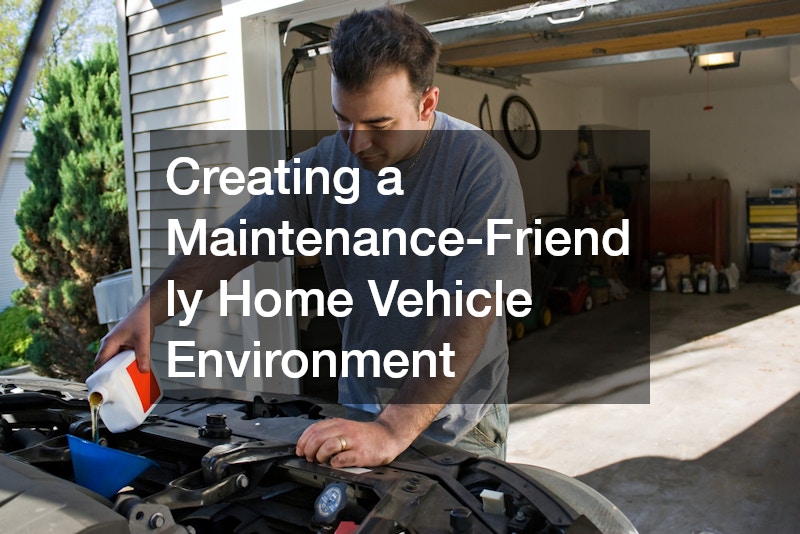
Vehicle care does not begin at the repair shop. The environment where a vehicle is stored and maintained also plays an important role in preserving long-term condition.
Garages are often treated as storage spaces for tools, boxes, and household items, but they can significantly influence vehicle health. Moisture buildup, poor ventilation, and chemical exposure can gradually affect tires, batteries, and exterior surfaces.
Clean environments help owners identify developing issues earlier. A fluid leak, for example, may go unnoticed in a cluttered or dirty garage. Detecting leaks early can prevent extensive mechanical damage later.
Many homeowners choose epoxy garage floor systems because they provide durable surfaces that resist stains and simplify maintenance. Oil spills, moisture accumulation, and dirt become easier to manage on protected surfaces. While flooring may not seem directly connected to vehicle reliability, maintaining a clean environment can support better inspection habits and reduce deterioration caused by environmental factors.
The growing popularity of electric vehicles has also changed how homeowners think about garage spaces. Drivers increasingly view garages as part of their vehicle maintenance strategy rather than simply parking areas.
Professional ev charger installation allows owners to create convenient charging routines at home while supporting long-term vehicle use. Charging systems should be evaluated carefully based on electrical capacity, placement, and future vehicle needs.
Some considerations include:
- Available electrical panel capacity
- Accessibility for daily use
- Indoor versus outdoor placement
- Future expansion needs
Creating a functional home environment makes maintenance easier and encourages consistency.
Managing Repairs and Restorations Effectively
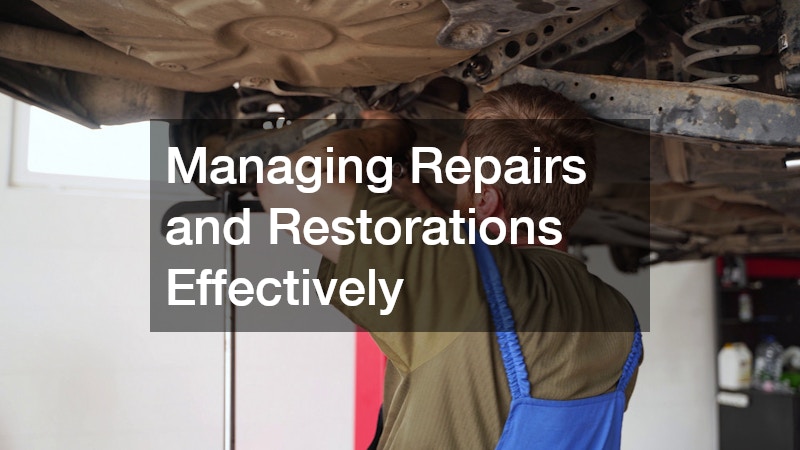
Eventually, every vehicle requires repairs. Some involve routine wear items, while others result from accidents or mechanical failures. How these repairs are handled often determines whether a vehicle remains dependable over time.
Many drivers focus heavily on price when selecting repair options. While controlling costs is understandable, repair quality should remain a primary consideration. Inexpensive repairs that fail prematurely frequently cost more in the long run.
After accidents, repair decisions become especially important. Cosmetic damage may appear minor while hidden structural issues remain undetected. Modern vehicles rely heavily on interconnected systems and advanced safety technologies that require precise repairs.
A professional collision shop does more than repair dents and repaint damaged areas. Comprehensive repairs may include structural evaluations, alignment corrections, safety sensor calibration, and detailed inspections of surrounding systems.
Drivers should ask questions before approving work:
- Are original manufacturer parts available?
- What warranties are provided?
- Will electronic systems require recalibration?
- How will hidden damage be identified?
Motorcycles also require specialized care because of their unique operating demands. Unlike passenger vehicles, motorcycles place greater dependence on tire performance, balance, and exposed mechanical components.
Routine motorcycle repairs frequently involve closer inspection intervals because smaller issues can affect both performance and rider safety much more quickly.
Key areas of focus include:
- Tire condition and pressure: Tires are one of the most critical safety components on a motorcycle. Riders should check for uneven wear, cracks, embedded debris, and proper inflation. Underinflated or worn tires reduce traction, increase stopping distance, and can affect balance during turns. Since motorcycles have a smaller contact patch with the road than cars, tire condition has an even greater impact on safety and handling.
- Brake responsiveness: Brakes should feel firm and consistent. Any delay, softness in the lever, or unusual noise can indicate worn pads, air in brake lines, or fluid issues. Because motorcycles depend heavily on braking precision, even small changes in responsiveness should be inspected immediately.
- Chain condition: The chain transfers power from the engine to the rear wheel, making it essential for smooth acceleration and control. Riders should check for proper tension, lubrication, and signs of rust or wear. A loose or dry chain can reduce efficiency and potentially fail if ignored.
- Fluid levels: Engine oil, brake fluid, and coolant (if applicable) should be checked regularly. Low or degraded fluids can lead to overheating, reduced braking performance, or engine damage. Maintaining proper fluid levels ensures smoother operation and prevents long-term mechanical issues.
- Battery health: Motorcycle batteries can discharge more quickly than car batteries, especially during periods of inactivity. Regular checks help prevent unexpected starting failures and electrical issues.
Because motorcycles operate differently than standard vehicles, neglecting routine inspections may create larger safety risks. Riders have less physical protection, so mechanical issues often translate more directly into dangerous riding conditions.
Quality repairs should always focus on long-term performance rather than temporary fixes. Proper maintenance and durable repair work ensure that the motorcycle remains safe, responsive, and reliable over time instead of repeatedly returning for the same unresolved issues.
Long-Term Care for Specialty and Recreational Vehicles
Specialized vehicles introduce maintenance requirements that extend beyond those of typical passenger cars. Recreational vehicles, in particular, contain multiple systems that require regular attention.
Unlike standard vehicles, RVs combine transportation systems with living components such as plumbing, appliances, electrical systems, and generators. This complexity creates additional opportunities for wear and potential failure.
Routine inspections become essential because many RVs spend long periods in storage. Vehicles that remain parked for months can develop issues involving tires, batteries, seals, and fluid systems.
Scheduling professional rv service allows owners to identify concerns before they become serious problems. Comprehensive inspections frequently reveal hidden issues that may not be obvious during casual observations.
Important systems commonly evaluated include:
- Electrical systems
- Braking components
- Tires
- Plumbing systems
- Roof seals
- Generator operation
Regular rv maintenance also reduces the risk of unexpected failures during travel. Preventive maintenance becomes especially important because breakdowns during long trips often create significant inconvenience and expense.
Water intrusion is one of the most common and costly issues affecting recreational vehicles. Small seal failures around roofs or windows can gradually lead to extensive interior damage. Tire age can also become a concern because RV tires frequently deteriorate from time and environmental exposure rather than mileage alone.
Owners who create seasonal maintenance schedules often avoid many of these common problems. Small inspections performed consistently throughout the year usually cost far less than major repairs resulting from neglect.
Building a Consistent Maintenance Mindset
Long-term vehicle reliability is built through consistent attention rather than occasional repair appointments. Drivers who understand their vehicles, monitor warning signs, practice safe driving habits, and address small problems early often experience lower ownership costs and fewer unexpected breakdowns.
Maintenance is not simply about fixing problems after they appear. It is about creating habits that support performance over time. When vehicle owners approach care proactively instead of reactively, they increase the likelihood that their vehicles will remain dependable, efficient, and safe for many years.
Developing a maintenance mindset also means shifting the way vehicle care is viewed. Many people wait until a dashboard warning light appears or a vehicle begins making unusual sounds before taking action. While these signs should never be ignored, they often indicate that wear or damage has already been developing for some time. Treating maintenance as an ongoing process rather than an occasional task helps prevent problems before they become serious.
Consistency is often more important than major repairs. Simple routines performed regularly can have a meaningful impact on long-term performance. Checking tire pressure once a month, monitoring fluid levels, paying attention to unusual noises, and following manufacturer service intervals can help identify small issues before they grow into expensive failures. These actions require relatively little time but can prevent breakdowns and extend the lifespan of important vehicle components.
Keeping organized records can also strengthen long-term maintenance efforts. Service receipts, inspection reports, and maintenance schedules allow owners to track recurring issues and ensure that important tasks are not overlooked. Over time, these records create a clearer picture of vehicle health and can even increase resale value by showing that the vehicle has been cared for responsibly.
Reliable vehicles rarely happen by accident. They are usually the result of small, consistent decisions repeated over months and years. Owners who build these habits into their routine often find that they spend less time dealing with unexpected repairs and more time enjoying dependable performance.
