
Modern driving requires far more awareness than it did in the past. Today’s vehicles are built with advanced systems that improve safety, efficiency, and performance, but they also introduce new layers of complexity. For drivers, this means understanding not only how to operate a vehicle, but also how to maintain it, protect it, and respond when something goes wrong.
Unexpected breakdowns, accidents, and even routine wear and tear can become costly if they are not handled properly. At the same time, making informed decisions about repairs, vehicle purchases, and customization can significantly improve long-term ownership experiences. Being prepared is no longer optional—it is essential.
This guide explores practical automotive solutions that help modern drivers stay safe, reduce expenses, and extend the life of their vehicles. Each section focuses on real-world actions that can make driving more reliable and less stressful.
How to Prevent Small Issues From Becoming Major Repairs
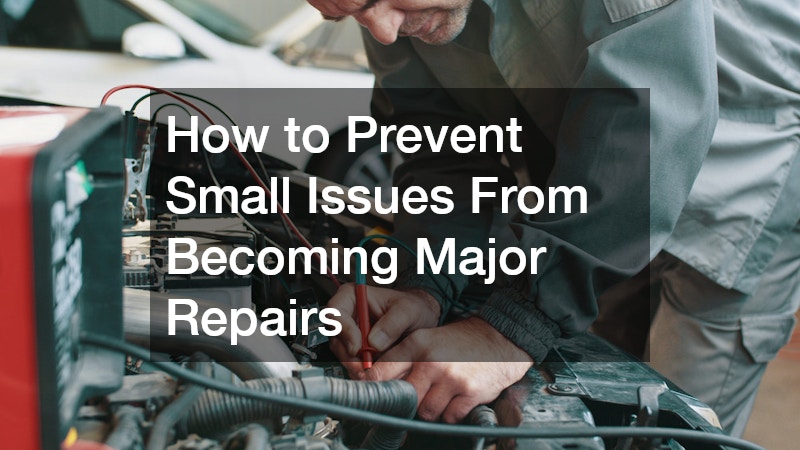
One of the most effective ways to avoid expensive vehicle problems is to focus on prevention rather than reaction. Many serious mechanical failures begin as small, unnoticed issues that gradually worsen over time. Staying ahead of these problems requires consistent attention and responsible driving habits.
One of the most important parts of prevention is consistent professional servicing. Regular visits for auto repair help ensure that essential systems such as brakes, fluids, filters, belts, and engine components are inspected and maintained before they fail. Skilled technicians can identify early warning signs like fluid leaks, worn brake pads, or engine inefficiencies that may not be obvious to the driver but can quickly develop into major repairs if ignored.
Driving habits also play a major role in vehicle health. Aggressive acceleration, frequent hard braking, and ignoring dashboard warnings can all accelerate wear on critical components. Smooth, consistent driving helps preserve engine life and improves fuel efficiency. Even simple habits like allowing the engine to warm up properly or avoiding unnecessary idling can extend the life of key systems.
When more complex symptoms appear—such as slipping gears, rough shifting, or delayed acceleration—drivers should seek specialized diagnostics. A transmission repair service can address internal drivetrain issues before they escalate into complete system failure, which is often one of the most expensive repairs a vehicle can require.
Environmental conditions also contribute to wear and tear. Extreme temperatures, pothole-heavy roads, and stop-and-go traffic all place additional stress on mechanical systems. Drivers in these conditions should prioritize more frequent inspections and preventative servicing.
Practical ways to reduce mechanical problems:
- Stick to scheduled maintenance intervals
- Respond immediately to warning lights
- Avoid aggressive driving behaviors
- Inspect fluids regularly, including oil and coolant
- Address unusual noises or vibrations early
- Keep tires properly inflated for better performance
- Replace worn parts promptly instead of delaying repairs
- Monitor fuel efficiency as an early warning indicator
Preventive care is always more affordable and less disruptive than emergency repairs, making it one of the most important habits for any driver.
How to Handle Vehicle Damage and Restore Safety
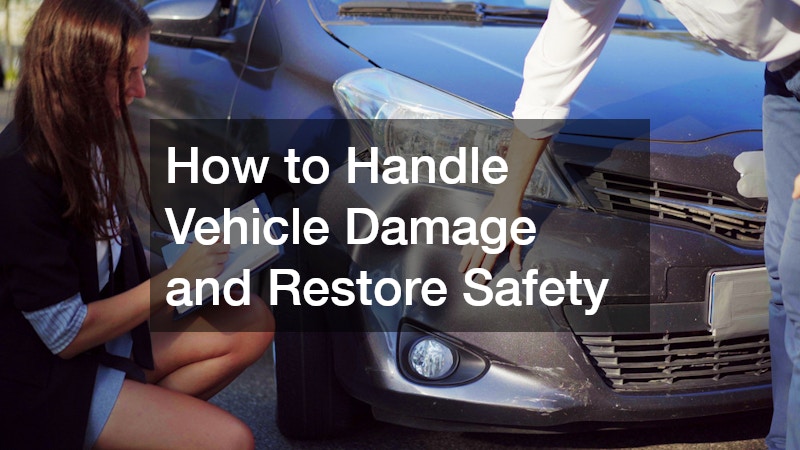
Accidents and collisions can happen even to careful drivers, and the way a vehicle is repaired afterward has a major impact on safety and performance. Even minor impacts can cause hidden structural damage that affects long-term reliability. In some cases, issues such as misaligned frames or compromised suspension components may not be immediately noticeable but can worsen over time and affect handling, braking distance, and overall stability.
After a collision, a professional auto body shop is essential for restoring the vehicle’s exterior and structural integrity. This includes repairing dents, replacing damaged panels, and ensuring the frame is properly aligned. Cosmetic damage may be visible, but structural issues are often more serious and require expert attention. A thorough evaluation also helps identify secondary damage that may have occurred in areas not directly impacted, such as wheel housings or mounting points.
Beyond surface repairs, collision repair focuses on restoring safety systems and internal components. Modern vehicles rely on sensors, cameras, airbags, and crumple zones that must function correctly after an impact. Proper repair ensures these systems are recalibrated and fully operational. In many cases, technicians also perform diagnostic scans to confirm that onboard computer systems have not been affected, ensuring all warning systems and driver-assist features work as intended.
It is also important to understand that rushing repairs or choosing incomplete fixes can lead to long-term problems. Poor-quality repairs may result in uneven tire wear, water leaks, or reduced crash protection in future incidents. Taking the time to choose qualified professionals helps ensure the vehicle meets safety standards again.
Important steps after an accident:
- Document all damage with clear photos from multiple angles
- Avoid driving if structural damage is suspected or airbags deployed
- Get a full inspection before resuming regular use
- Use certified repair professionals with experience in collision work
- Review repair estimates carefully before approving work
- Contact your insurance provider promptly to begin claims processing
- Keep records of all communication and repair documentation
Proper post-accident repair ensures that a vehicle is not only visually restored but also safe to operate, restoring both driver confidence and long-term reliability.
Staying Prepared for Lockouts and Alignment Problems
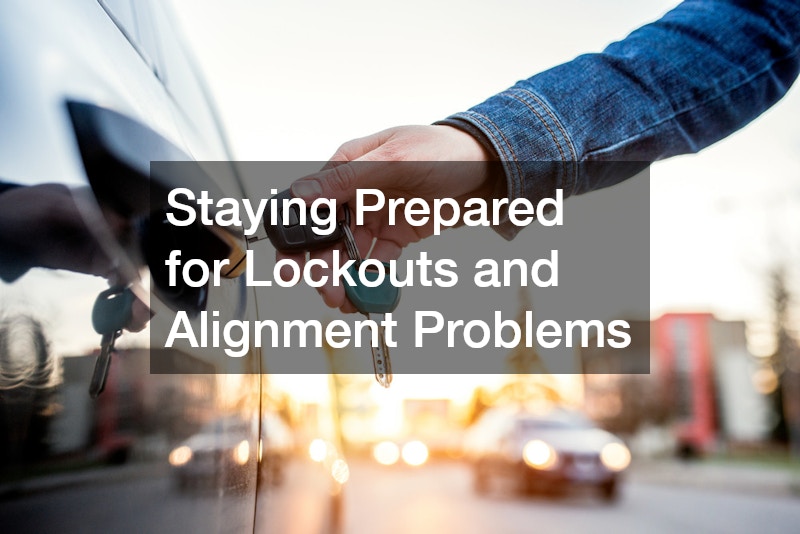
Unexpected issues can disrupt even the most carefully planned trips. Two of the most common problems drivers face involve losing access to their vehicle or experiencing steering and handling issues. While these situations are often inconvenient, they can also become safety concerns if not handled quickly and correctly.
When keys are locked inside a car or become damaged, auto locksmiths provide essential emergency services. These professionals can unlock vehicles, replace lost keys, and repair ignition systems without causing damage. Many modern vehicles use electronic key systems, so locksmiths also handle programming transponder keys and key fobs, which is especially important when replacements are needed on short notice. Having access to this type of support can quickly resolve stressful roadside situations and reduce downtime significantly.
It is also worth noting that lockout situations often happen at the worst possible times—during travel, late at night, or in unfamiliar locations. Being prepared ahead of time by knowing who to call can make a major difference in how quickly the situation is resolved and how safe the driver remains while waiting for assistance.
Another important but often overlooked issue is wheel alignment. Poor alignment can cause uneven tire wear, reduced fuel efficiency, and difficulty steering. A local car alignment shop can correct these issues by adjusting suspension angles and restoring proper wheel positioning. Proper alignment also improves braking stability and overall driving comfort, especially at highway speeds or during long-distance travel.
Ignoring alignment problems for too long can lead to more expensive issues, including premature tire replacement and added stress on suspension components. Even minor impacts, such as hitting a pothole or curb, can throw alignment off enough to affect vehicle performance.
Helpful preparedness tips:
- Keep a spare key in a secure and accessible location
- Save emergency locksmith contact information in your phone
- Watch for steering pull, vibration, or uneven tire wear
- Get alignment checked after hitting potholes, curbs, or road debris
- Test key fobs regularly and replace batteries before failure
- Consider roadside assistance coverage for added protection
Being prepared for these situations helps drivers maintain control, reduce stress, and avoid unnecessary delays or repair costs.
Making Smarter Choices When Buying or Customizing Vehicles

Vehicle ownership decisions extend beyond driving—they also include purchasing, upgrading, and maintaining value over time. Making informed choices in these areas can save money and improve long-term satisfaction, especially as vehicles become more complex and costly to repair.
One of the most important steps in the buying process is understanding where the vehicle is coming from and how it has been maintained. A used auto dealership can be a reliable option for drivers looking to purchase a pre-owned vehicle that has been inspected and evaluated. These dealerships often provide safer alternatives to private sales by offering vehicles that have undergone basic reconditioning and safety checks. In many cases, they also perform diagnostic inspections and address obvious mechanical issues before listing a vehicle for sale, which reduces the risk of immediate repair costs after purchase.
Before purchasing any used vehicle, it is important to evaluate its history, condition, and maintenance record. Mileage alone does not tell the full story—service consistency and accident history are equally important factors. Buyers should also pay attention to how the vehicle drives during a test drive, including braking response, steering smoothness, and any unusual noises that could indicate hidden problems.
Customization is another growing aspect of modern vehicle ownership. Vehicle wraps allow drivers to change the appearance of their car without permanent paint modifications. They also provide an added layer of paint protection and can be used for branding or personalization. Unlike traditional paint jobs, wraps can often be removed or updated more easily, giving owners flexibility if their style preferences or business needs change over time.
However, customization decisions should always consider long-term value. Overly aggressive designs or poorly installed materials can reduce resale appeal or require costly removal later. Choosing high-quality materials and professional installation helps ensure durability and a clean finish.
Smart buying and customization practices:
- Review full vehicle history reports before purchasing
- Inspect tires, brakes, and interior condition closely
- Compare multiple vehicles before deciding
- Ask about warranties or service guarantees
- Consider maintenance needs for wrapped vehicles
- Choose customization that does not reduce resale value
- Test drive under different road conditions when possible
- Verify recall status and completed safety repairs
- Work with reputable sellers rather than rushing decisions
Informed decisions lead to better long-term ownership experiences and fewer unexpected costs, helping drivers maintain both confidence and value throughout the life of their vehicle.
Staying Safe on the Road and Understanding Legal Support Options
Beyond maintenance and repairs, drivers also need to be prepared for emergencies involving towing, transport, and legal situations following accidents. These situations often occur unexpectedly, and having the right knowledge ahead of time can significantly reduce stress, confusion, and financial risk.
Installing towing hitches expands a vehicle’s capabilities, allowing it to pull trailers, transport equipment, or assist in emergency situations. However, safe towing requires understanding weight limits and ensuring proper installation to avoid strain on the vehicle. It is also important to consider braking distance changes when towing, as heavier loads require more time and space to stop safely. Drivers should also inspect hitch connections regularly, especially before long trips, to ensure all components are secure and functioning correctly.
In addition, towing should always be matched to driving conditions. Steep terrain, wet roads, or high-speed travel can significantly increase risk when a load is attached. Proper preparation, including checking tire pressure and ensuring trailer lights are functioning, helps reduce the likelihood of accidents and equipment failure during transport.
In more serious accidents, legal and financial challenges may arise. Motor vehicle accident attorneys help drivers navigate insurance claims, liability disputes, and compensation issues. Their guidance can be critical when dealing with complex cases involving injuries or significant property damage. These professionals also help ensure that documentation is properly handled and that drivers understand their rights during the claims process, especially when insurance companies dispute responsibility or coverage.
Having legal support can also help prevent long-term financial consequences that may arise from improperly settled claims. Even seemingly straightforward accidents can become complicated when multiple parties are involved or when injuries develop after the initial incident.
Safety and legal preparedness tips:
- Always check towing capacity before hauling loads
- Use properly rated towing equipment and inspect it regularly
- Distribute weight evenly when towing to maintain stability
- Document accident scenes thoroughly with photos and notes
- Seek legal advice when liability is unclear or disputed
- Keep insurance and registration documents easily accessible
- Perform pre-trip safety checks when towing or traveling long distances
Preparation in these areas helps protect both physical safety and financial stability, ensuring drivers are better equipped to handle both everyday travel and unexpected road incidents.
Modern drivers face a wide range of responsibilities beyond simply operating a vehicle. From maintenance and emergency preparedness to purchasing decisions and accident recovery, each aspect plays a role in overall safety, performance, and cost management.
Taking a proactive approach to vehicle care helps reduce unexpected breakdowns, extend vehicle lifespan, and improve driving confidence. By understanding how to respond to common challenges and when to seek professional support, drivers can make smarter decisions that lead to safer and more reliable transportation over time.
