
Your vehicle’s exterior is the first thing anyone notices, whether it’s a potential buyer, a dealership appraiser, or your neighbor down the street. Small scratches, cracked glass, or faded paint can quietly chip away at resale value long before you’re ready to sell. The good news is that a handful of smart, proactive upgrades can protect your investment while keeping your car looking sharp. This guide walks through the most effective ways to preserve your vehicle’s appearance and market value over time.
Why Exterior Condition Drives Resale Value
When buyers or appraisers evaluate a used vehicle, the exterior is often weighted more heavily than mechanical history because it’s the easiest thing to inspect at a glance. A car with scratches, dents, or cloudy headlights signals neglect, even if the engine runs perfectly. Appraisal guides and trade-in calculators factor cosmetic condition into their pricing tiers, sometimes docking hundreds of dollars for visible wear. Understanding this connection helps homeowners and vehicle owners prioritize which upgrades actually pay off down the road.
- Exterior condition is one of the first factors used in trade-in valuation models
- Faded or oxidized paint can lower perceived value even on low-mileage vehicles
- Buyers often assume cosmetic neglect means mechanical neglect too
- First impressions during a test drive or private sale heavily influence final offers
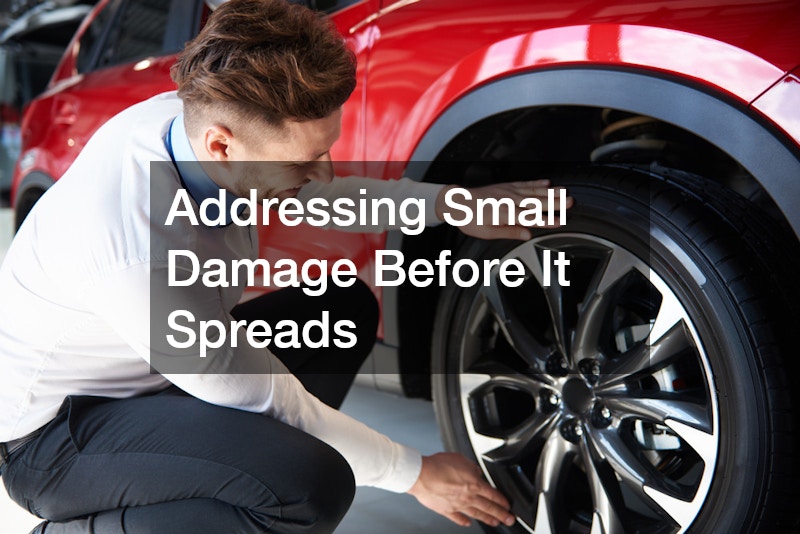
Addressing Small Damage Before It Spreads
A tiny windshield chip might seem harmless, but temperature swings, road vibration, and moisture can turn it into a spreading crack within weeks. A chip smaller than a quarter, caught early, can often be repaired in under 30 minutes at a fraction of replacement cost. Wait too long, though, and that same chip can spread several inches overnight, especially during sudden hot-to-cold shifts like a cold morning defrost blast.
Many owners delay getting it looked at, not realizing that early intervention is far cheaper than full replacement. What starts as a $60-$100 repair can turn into a $300-$500 replacement if the damage spreads into the driver’s direct line of sight or reaches the edge of the glass, where structural stress concentrates. Location matters too: chips near the windshield’s perimeter are more likely to compromise structural integrity and are harder to justify repairing versus replacing.
Prompt auto glass repair can stop a chip from spreading, restore structural integrity, and often costs a fraction of what a full windshield replacement would run. Most reputable shops use resin injection technology that fills the damaged area and restores much of the glass’s original strength, often within the same appointment. This also preserves the factory seal, which matters if your vehicle has advanced driver-assistance systems relying on a properly calibrated windshield-mounted camera.
Insurance policies frequently cover minor glass repairs at little to no out-of-pocket cost, making delay even less justifiable. Many insurers waive the deductible entirely for chip repairs, since it’s cheaper for them to fix a small chip than pay out for a full replacement later. A quick call to your provider or a walk-in inspection at a local glass shop is usually all it takes to find out if you qualify.
Beyond windshields, side mirrors, window seals, and trim pieces are also worth inspecting regularly. A small stone chip in a mirror housing or a hairline crack in a plastic trim panel might seem cosmetic, but UV rays and temperature swings cause these materials to expand and contract, turning a minor flaw into a full split within a season or two.
Window seals deserve particular attention since they’re often overlooked until a leak appears. Once the rubber cracks or shrinks, moisture can seep into the door frame, leading to rust, electrical issues, or musty odors that are far more expensive to fix than the seal itself. A five-dollar tube of seal conditioner applied every few months can extend their lifespan significantly.
Small cracks in these areas rarely heal themselves and tend to worsen with exposure to sun and moisture. What starts as a $20 trim clip replacement can turn into a $150 panel swap if left unaddressed, and a cracked mirror housing can invite water into the wiring behind it.
Catching these issues early keeps repair costs low and prevents cosmetic damage from becoming a bigger red flag during resale inspections. Buyers and appraisers often use visible wear on these smaller components as a proxy for how well the entire vehicle has been maintained, so addressing them promptly protects value well beyond their individual repair cost.
- A chip smaller than a quarter (about 1 inch) is usually repairable in 30 minutes without full windshield replacement
- Extreme heat or cold can cause a small crack to spread overnight, especially with rapid temperature swings like defrosting a frosty windshield
- Even minor road vibrations or hitting a pothole can turn a stable chip into a spreading crack
- Many insurance plans waive the deductible for minor glass repairs since it’s cheaper than a full replacement claim
- Delaying repair increases the risk of needing a full windshield replacement, which can cost 5-10 times more than a simple chip repair
- Dirt and moisture that seep into a chip over time make it harder to repair cleanly and can weaken the surrounding glass
Protecting Paint With Modern Wrap Technology
Paint is one of the most vulnerable parts of a vehicle’s exterior, constantly exposed to UV rays, road debris, and weather extremes. A quality vinyl wrap acts as a protective layer over the factory paint, shielding it from minor scratches, sun fading, and oxidation while preserving the original finish underneath. This means owners can change the look of their car for a few years without permanently altering or damaging the paint job that affects resale value. When it’s time to sell, the wrap can simply be removed to reveal paint that looks nearly as fresh as the day it left the factory.
Beyond protection, wraps offer flexibility that traditional paint jobs don’t. Owners can choose matte, gloss, satin, or color-shifting finishes without committing to a permanent change. This is particularly appealing for those who want to personalize their vehicle’s appearance while keeping resale options open.
- Vinyl wraps shield factory paint from minor scratches and sun exposure
- Wraps can be removed without damaging the original paint underneath
- Custom colors and finishes are reversible, unlike permanent paint jobs
- Wrapped vehicles often retain stronger resale value than repainted ones
Everyday Habits That Preserve Exterior Value
Beyond one-time upgrades, daily habits play a major role in how well a vehicle’s exterior holds up over years of ownership. Regular washing removes contaminants like road salt, bird droppings, and tree sap that can etch into paint if left too long. Waxing every few months adds a protective barrier against UV rays and minor abrasions. These small, consistent efforts add up to noticeably better long-term appearance and value retention.
- Wash the vehicle every one to two weeks, more often in winter or coastal areas
- Apply wax or sealant every three to four months for UV protection
- Park in shaded or covered areas whenever possible to reduce sun damage
- Remove bird droppings and sap promptly to prevent paint etching

Choosing Upgrades That Add Value Versus Personal Preference
Not every aesthetic upgrade improves resale value, so it helps to separate personal style choices from investments that protect long-term worth. Bold custom modifications may appeal to the current owner but can actually narrow the pool of interested buyers later. On the other hand, upgrades that restore or protect original features tend to have broader appeal and better payoff. Thinking about resale before making changes can save money and disappointment down the line.
A useful rule of thumb is to ask whether an upgrade preserves or restores factory condition versus dramatically altering it. Protective and restorative choices are generally safer bets for value retention, while highly personalized modifications should be approached with the understanding that they may need to be reversed before selling.
- Neutral, factory-close colors tend to attract more buyers than bold custom shades
- Protective upgrades usually offer better return than purely decorative ones
- Reversible modifications keep resale options open
- Extreme personalization can shrink the buyer pool at resale time
Timing Upgrades Around Selling or Trading In
Timing matters just as much as the upgrades themselves. Making cosmetic improvements too early means you might not get to enjoy the benefit, while waiting too long could mean selling with visible flaws that hurt your offer. A good approach is to schedule inspections and minor repairs a few months before listing or trading in the vehicle. This gives enough time to address any issues without rushing into low-quality fixes right before a sale.
- Schedule a full exterior inspection two to three months before selling
- Address minor glass or paint issues before getting a trade-in appraisal
- Avoid rushed, low-quality fixes right before a sale, as they can look obvious
- Keep maintenance records to show buyers a documented history of care
Protecting your vehicle’s exterior value doesn’t require a complete overhaul, just consistent attention and a few smart choices along the way. Addressing small issues early, choosing protective upgrades over purely cosmetic ones, and timing repairs strategically all contribute to a stronger resale outcome. Start with a simple walk-around inspection of your vehicle this week to spot any early warning signs. Taking action now can save money and maximize value when it’s finally time to sell or trade in.
