
Key Takeaways:
- Bumper damage can be minor or severe, and repair costs vary depending on the damage level, car type, and built-in sensors. Small damage can sometimes hide bigger repair needs.
- Deciding whether to use insurance depends on comparing repair costs with long-term effects like deductibles and possible premium increases.
- Your deductible matters a lot—if insurance only covers a small amount, it may be cheaper to pay for repairs yourself.
- Paying out of pocket is often better for small cosmetic damage, low repair costs, or when you are at fault and want to avoid a claim on your record.
- Filing a claim makes more sense when repair costs are high, another driver is responsible, or there may be hidden damage behind the bumper.
- Modern bumpers include sensors and cameras, so even minor accidents can lead to expensive repairs due to recalibration and parts replacement.
- Always get repair estimates and compare total costs before deciding, since long-term insurance increases can sometimes cost more than the repair itself.
Bumper damage is one of the most common problems drivers face after a collision. Whether someone tapped your car in a parking lot or you were involved in a more serious accident, the first question that usually comes to mind is simple: should you use your insurance or cover the repair cost yourself?
The answer depends on several factors, including the extent of the damage, your deductible, the likelihood of increased premiums, and who was at fault. In some situations, filing a claim makes perfect financial sense. In others, paying out of pocket can save you money and prevent future insurance costs from rising.
This guide will help you understand when it is worth filing a claim, when it is better to pay for repairs yourself, and what factors to consider before making your decision.
How Much Does Bumper Damage Usually Cost to Repair?
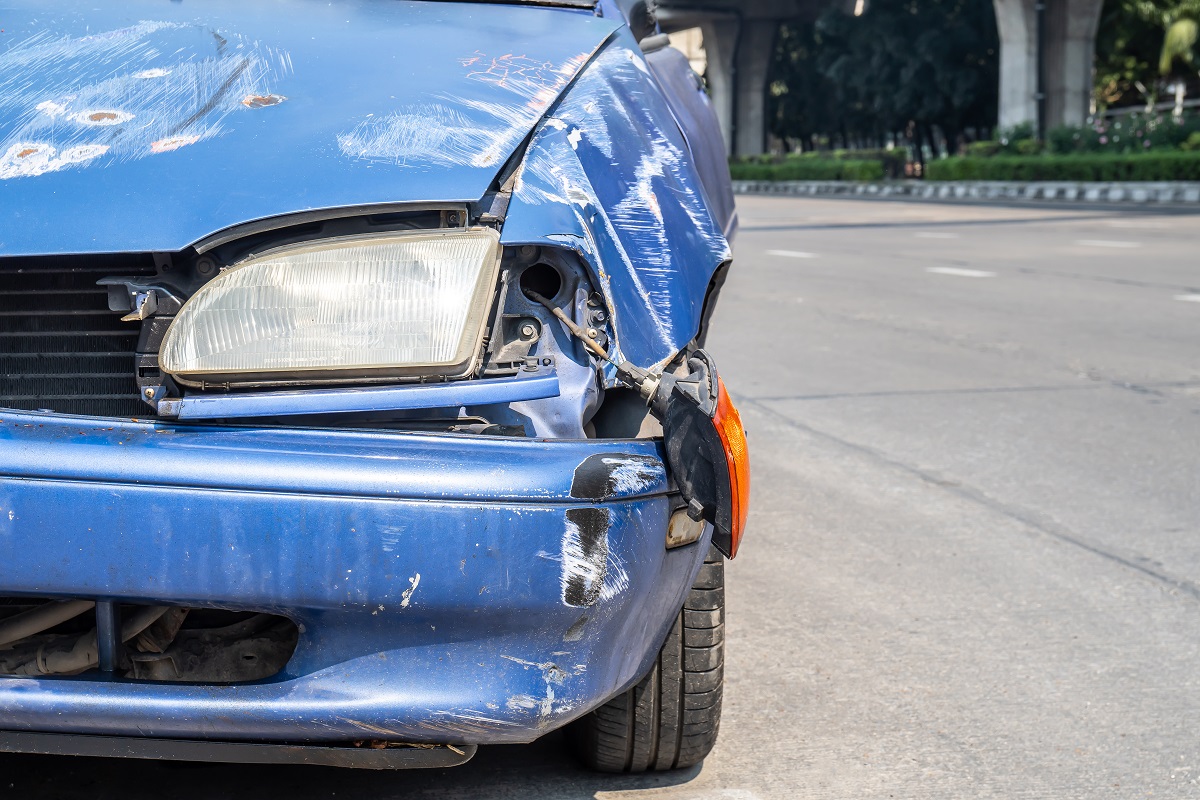
Bumper repair costs can vary a lot depending on how bad the damage is, what kind of car you drive, and whether modern sensors or cameras are involved. What looks like a simple scratch can sometimes turn into a surprisingly expensive repair once a body shop takes a closer look.
In general, bumper repairs fall into three main categories:
Minor Cosmetic Damage
This is the most common type of bumper issue after low-speed accidents or parking lot bumps. It usually affects only the surface and doesn’t impact the structural integrity of the vehicle.
Typical examples include:
- Light scratches or scuffs
- Paint transfer from another vehicle or object
- Small dents without cracking
- Surface-level abrasions
Cost expectations:
- Usually ranges from $100 to $600
- DIY touch-ups may be cheaper, but professional repainting gives better results
In many cases, this type of damage is more of an aesthetic issue than a functional one, which is why people often hesitate between filing a claim or paying out of pocket.
Moderate Damage
Moderate bumper damage goes beyond cosmetics and may involve partial structural impact or broken components behind the bumper cover. At this stage, repair work becomes more technical.
Common signs include:
- Visible cracks in the bumper
- Deeper dents that distort shape
- Broken clips or loose fitting bumper
- Minor sensor misalignment or warning lights
Cost expectations:
- Typically between $500 and $1,500
- Costs increase if paint matching or sensor recalibration is needed
Even if the damage looks manageable from the outside, internal components may also need repair, which is where costs start to climb.
Full Bumper Replacement
When the damage is severe, repairing the bumper is no longer practical, and full replacement becomes the standard solution. This is especially common in high-impact rear-end or front-end collisions.
This level of damage may include:
- Cracked or shattered bumper cover
- Damaged reinforcement bar
- Deformed mounting structure
- Broken or detached sensors and wiring
Cost expectations:
- Usually $1,000 to $3,500 or more
- Luxury vehicles can exceed this due to specialized parts
Luxury and tech-heavy vehicles are significantly more expensive to repair because modern bumpers often include advanced driver assistance systems that must be recalibrated after installation.
What Determines Whether Filing a Claim Makes Sense?
Deciding whether to involve insurance isn’t just about the damage—it’s about the bigger financial picture. You need to weigh short-term savings against long-term insurance costs.
Before making a decision, consider these key questions:
- How much will the repair actually cost after inspection?
- What is your deductible amount?
- Are you at fault or is another driver responsible?
- Could filing increase your insurance premiums?
- Do you qualify for accident forgiveness?
- Can another driver’s insurance cover the damage instead?
A good rule of thumb is this: If the repair cost is only slightly higher than your deductible, filing a claim may not be worth it.
On the other hand, if the repair cost is significantly higher, insurance can offer meaningful financial protection.
Understanding How Deductibles Work
A deductible is the amount you agree to pay before your insurance coverage kicks in. It plays a major role in deciding whether a claim is worth it.
Think of it as your “entry cost” to using insurance.
Here’s a simple breakdown:
Example scenario:
- Total repair cost: $1,200
- Deductible: $1,000
- Insurance payout: $200
In this case:
- You still pay most of the repair cost yourself
- Filing a claim may not be worth the potential premium increase
- You may end up paying more long-term than you save short-term
Important takeaway:
If the insurer’s contribution is small, you’re essentially paying for the claim twice—once through your deductible and again through higher future premiums.
When Paying Out of Pocket Makes More Sense
There are several situations where skipping the insurance claim is the smarter financial move. Many drivers are surprised to learn how often this applies.
The Damage Is Minor
If the damage is purely cosmetic, it often costs less than your deductible anyway.
You’re likely better off paying yourself if:
- Scratches are shallow
- No structural damage exists
- The bumper is still firmly attached
- No sensors or lights are affected
You Were At Fault
At-fault claims can impact your insurance history more significantly than non-fault claims.
Possible consequences include:
- Higher renewal premiums
- Loss of safe driver discounts
- Longer-term insurance penalties
You Want to Avoid a Claims Record
Even small claims can remain on your record for years, which may affect future pricing or policy options.
The Repair Cost Is Close to Your Deductible
If the insurer only pays a small portion, you may end up paying more in increased premiums than you gain from the claim itself.
When Filing an Insurance Claim Is the Better Choice
There are also situations where filing a claim is clearly the more practical option. Understanding your options for your car after a crash can help you decide whether insurance is actually the right move or if another approach makes more sense.
Repair Costs Are Significant
If the repair involves multiple systems or full replacement, insurance can save you thousands.
This is especially true when:
- Sensors need recalibration
- Structural parts are damaged
- Labor and repainting costs add up quickly
Another Driver Caused the Accident
If someone else is responsible, their liability insurance should typically cover the damage.
Hidden Damage Is Suspected
What looks minor on the surface can hide deeper issues such as:
- Reinforcement bar damage
- Energy absorber compression
- Sensor misalignment
- Internal mounting damage
- Electrical wiring issues
You Have Accident Forgiveness
Some insurance policies allow one at-fault claim without increasing your premium, making filing more practical in certain cases.
Why Modern Bumpers Are More Expensive Than You Think
Modern bumpers are no longer just plastic covers. They’re complex safety systems.
Today’s bumpers may include:
- Backup cameras
- Parking sensors
- Radar-based safety systems
- Blind-spot monitoring components
- Automatic braking sensors
Because of this, even a low-speed impact can cause expensive hidden damage. What looks like a small crack might require recalibration of multiple systems.
What to Do Before Deciding
Before you make a decision, it’s important to gather all the facts instead of rushing into a claim. Start by following what to do after a car accident, including documenting everything properly and collecting details from any other party involved.
Then take these steps:
- Take clear photos from multiple angles
- Get at least two repair estimates
- Review your insurance deductible
- Ask your insurer hypothetical questions
- Confirm fault determination
- Compare total short-term vs long-term costs
How Much Could Your Insurance Premium Increase?
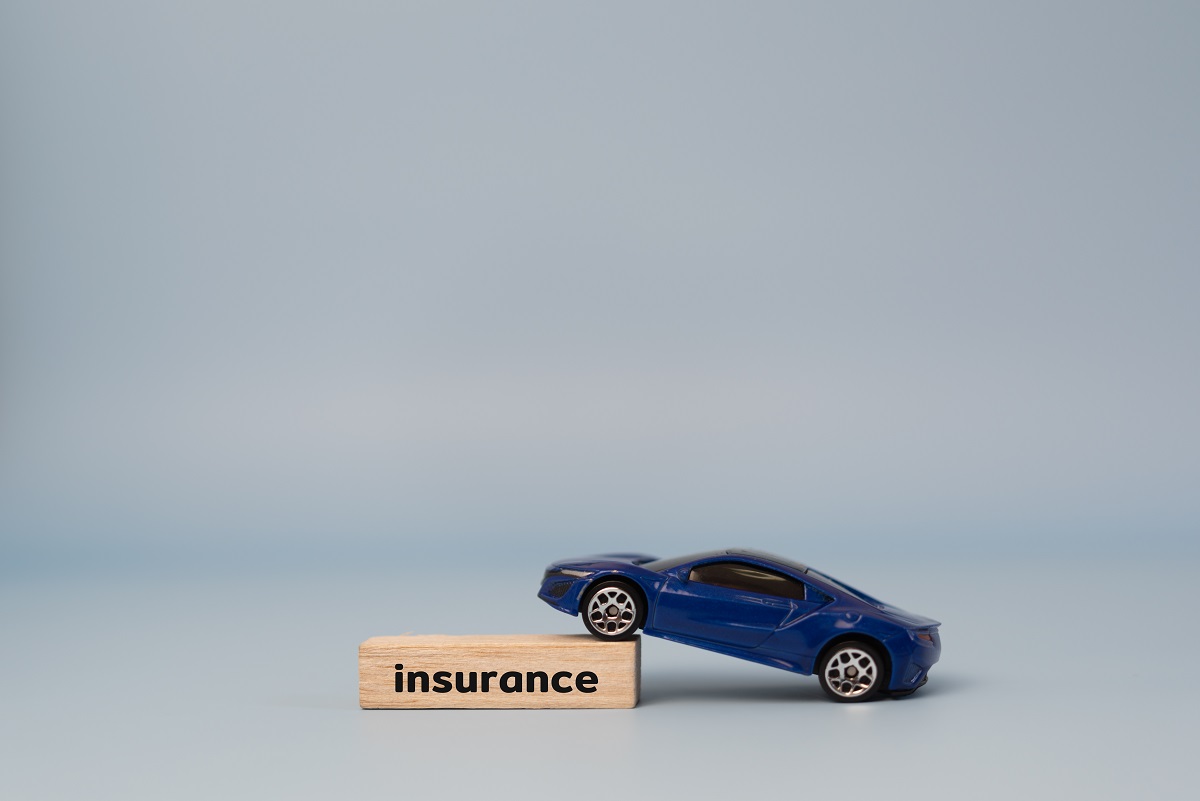
Insurance premium changes depend heavily on your driving history, insurer, and claim type.
Possible outcomes include:
- No increase if you’re not at fault
- Small increase for a first minor at-fault claim
- Larger increases if you have previous claims or violations
Over time, these increases can add up significantly.
Example breakdown:
- Claim payout: $800
- Annual premium increase: $250
- Duration: 3 years
- Total extra cost: $750
In this scenario, filing a claim barely provides a financial advantage.
What If the Other Driver Offers to Pay Cash?
Sometimes the other driver may offer to settle the repair privately.
This can work if:
- Fault is clearly established
- Damage is minor and agreed upon
- Payment is made immediately
However, there are risks:
- Hidden damage may appear later
- The other party may back out
- You lose formal insurance protection
If you go this route:
- Always get written confirmation
- Document all communication
- Get a repair estimate first
- Set a clear payment timeline
Should You Get Multiple Repair Estimates?
Yes, absolutely. Prices can vary widely between repair shops depending on labor rates, parts used, and repair approach.
Getting multiple estimates helps you:
- Understand true repair costs
- Identify hidden damage
- Avoid overcharging
- Make better insurance decisions
Some shops may recommend repair, while others suggest full replacement, even for the same damage.
Does Filing a Claim Affect Resale Value?
Filing a claim doesn’t automatically lower your car’s value, but the accident record may show up in vehicle history reports.
Possible impacts:
- Lower resale or trade-in value
- Buyer hesitation
- Reduced negotiation power
Even if the repair is perfect, the history of a claim can still influence perception.
Special Considerations for Leased and Financed Vehicles
If your car is leased or financed, you usually have stricter repair requirements.
Common conditions include:
- OEM-approved parts only
- Full restoration to pre-accident condition
- Proper calibration of all sensors
Failure to repair properly can lead to penalties when returning or selling the vehicle.
What If the Damage Seems Cosmetic Only?
Even small visible damage can hide deeper structural issues.
Possible hidden problems include:
- Broken mounting clips
- Crushed foam impact absorbers
- Misaligned bumper frame
- Damaged sensors behind the surface
A professional inspection is always recommended before assuming it’s only cosmetic.
Can You Delay Repairs?
Delaying bumper repairs may seem harmless, but it can lead to bigger problems over time.
Risks include:
- Cracks spreading
- Water entering internal components
- Sensor malfunctioning
- Reduced crash protection in future accidents
If safety systems are affected, delaying repairs is not recommended.
How to Talk to Your Insurance Company Without Filing a Claim
You can ask questions without officially starting a claim.
Good questions include:
- What is my deductible?
- Would this likely increase my premium?
- Does accident forgiveness apply?
- What coverage would this fall under?
Just clarify that you’re exploring options and not filing yet.
Mistakes Drivers Often Make
Avoid these common errors:
- Filing before getting estimates
- Ignoring hidden damage
- Assuming premiums will not change
- Accepting cash without documentation
- Delaying necessary repairs
- Overlooking sensor recalibration costs
Final Thoughts
Deciding whether to file an insurance claim for bumper damage comes down to simple math and a realistic assessment of your situation. Compare repair costs to your deductible, estimate the possible effect on your premiums, and determine whether another driver’s insurance should cover the damage.
For minor cosmetic issues, paying out of pocket is often the better choice. For major damage, hidden structural problems, or expensive sensor repairs, filing a claim can save substantial money. Taking the time to gather estimates and understand your coverage will help you make the most cost-effective decision for your vehicle and your budget.
