
Shopping for a pre-owned vehicle can be an exciting yet daunting task for buyers. The market is filled with thousands of options, ranging from sleek commuter sedans to rugged family sport utility vehicles. Finding a reliable model requires patience, diligent research, and a clear understanding of what to look for during the initial evaluation. Many consumers prefer purchasing used cars because they offer significant cost savings compared to brand-new models, allowing buyers to avoid the steep period of depreciation. However, the lower price tag comes with the responsibility of verifying the true mechanical condition of the vehicle before finalizing any paperwork.
Smart shoppers understand that a glittering exterior can sometimes hide a history of mechanical neglect or poor maintenance. Without a systematic approach to evaluating a vehicle, a buyer runs the risk of inheriting expensive, lingering problems. To minimize these risks, experienced buyers rely on a structured evaluation plan that covers everything from paperwork verification to hands-on mechanical testing. Before visiting any private sellers, it is highly recommended to establish contact with local auto repair shops to find out about their availability for professional evaluations. Preparing a detailed strategy ensures that no critical components are overlooked during the search.
Decoding Vehicle History and Public Records
Before turning a single wrench or inspecting a vehicle in person, a background check is an indispensable step. Utilizing the vehicle identification number allows buyers to pull extensive history reports from national databases. These reports provide details regarding previous ownership, registration history, mileage verification, and title status. They can instantly reveal whether a vehicle has a clean title or if it has been branded as salvage or flood-damaged. Furthermore, these historical records frequently show data compiled from major auto insurance agencies regarding past accidents, total loss payouts, or comprehensive coverage claims that occurred during the lifespan of the car.
Reviewing this historical data helps buyers cross-reference the claims made by the current seller. If a seller insists a vehicle has never been in an accident, but the history report indicates significant damage, it serves as an immediate warning sign. These reports also capture whether a car underwent extensive collision repair after a major highway incident. Understanding where and when the damage occurred allows the prospective buyer to focus their physical inspection on those specific areas later on, ensuring that previous repairs were completed to high professional standards.
Visual Inspection of the Outer Bodywork
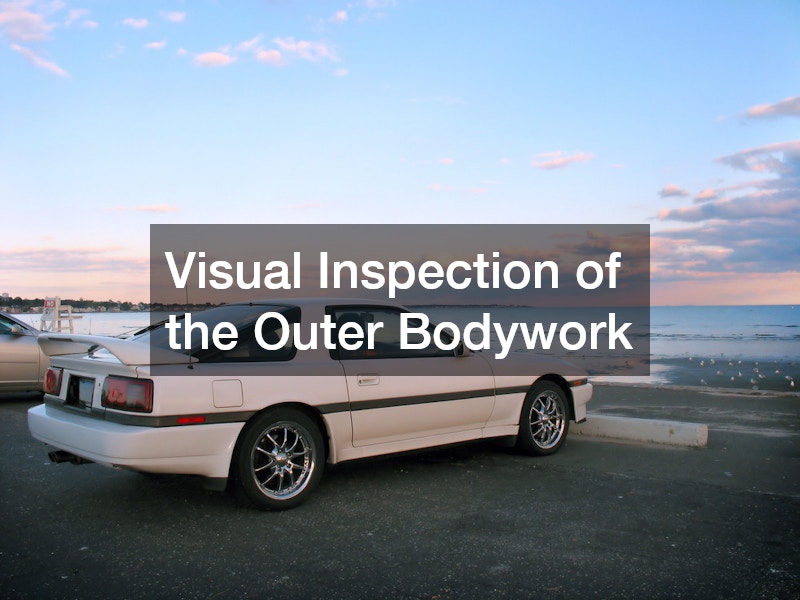
The physical inspection begins with a meticulous walkaround of the vehicle exterior in bright, natural daylight. Buyers should look closely at the alignment of the body panels, checking that the gaps between the doors, fenders, trunk, and hood are perfectly uniform. Uneven gaps are a classic indicator that a panel has been removed, replaced, or poorly realigned, often pointing to previous structural work. Walking around the vehicle allows the shopper to inspect the quality of the paint finish, looking for overspray on rubber seals or slight color variations between adjacent panels. Such inconsistencies often imply that a professional auto body shop had to repaint portions of the exterior to cover up scratches or dings.
The exterior assessment should also include a detailed look at the wheels and surrounding components. Examining the condition of the rubber provides insights into how the vehicle was treated by its previous owner. Worn-down tread or uneven wear patterns across the surface can suggest that the vehicle has serious wheel misalignment or suspension issues. If the vehicle is currently fitted with a mismatched set or completely bald rubber, the buyer must factor the immediate cost of purchasing new car tires into their overall budget.
Analyzing the Powertrain Under the Hood
Pop the hood and examine the heart of the vehicle, which can reveal volumes about its overall operational health. A clean engine bay is pleasant to look at, but a buyer should look past the surface shine to check for active fluid leaks, brittle hoses, and cracked belts. Inspecting the engine oil is a starting point; pulling the dipstick allows one to evaluate the color and consistency of the oil. Dark, thick sludge indicates skipped oil changes, while a milky white appearance suggests a head gasket failure. Buyers should also review the maintenance records to see when the vehicle last received a comprehensive auto part service, such as a spark plug replacement, a timing belt swap, or a transmission fluid flush.
While peering into the engine compartment, look closely for any signs of recent cleaning designed to wash away evidence of ongoing fluid leaks. Checking the condition of the battery terminals for corrosion can save hundreds of dollars down the road. If a buyer notices loose wires, non-standard modifications, or strange electrical splices, it may indicate that an amateur attempted complex repairs. To get a true sense of the engine health, it is best to have a certified auto technician attach a diagnostic scanner to the onboard computer system.
Evaluating Safety and Cabin Systems

A vehicle must be capable of stopping safely under all driving conditions, making the braking system one of the most critical points on the pre-purchase inspection checklist. Peer through the wheel spokes with a flashlight to visually inspect the thickness of the brake pads and the surface condition of the brake rotors. Deep grooves, scoring, or a heavy rust lip on the rotors indicate that the vehicle will soon require maintenance. If the pads are worn down to thin metal strips, the car is a safety hazard. Factoring in the potential expenses associated with professional brake repairs helps buyers negotiate a fair final price that reflects the true cost of bringing the vehicle up to safe standards.
Moving inside the cabin, the focus shifts to passenger comfort and electronic functionality, starting with the climate control system. Turn on the ventilation system and verify that the auto AC blows crisp, ice-cold air within a minute of activation. A system that blows warm air could suffer from a minor refrigerant leak, or it could point to a failing compressor, which is an expensive component to replace. Testing every single vent ensures that the blend doors are functioning correctly and that air flows evenly throughout the entire passenger compartment, preventing unexpected discomfort.
The Test Drive Execution
Taking the vehicle out on the open road provides the best opportunity to observe how all the mechanical components interact under real driving conditions. The test drive should never be a brief trip around the block; it needs to encompass a variety of driving environments, including bumpy city streets, quiet residential zones, and high-speed highways. Before starting the engine, turn off the radio so that any unusual mechanical noises can be heard clearly. Listen closely for any grinding, clicking, or whining sounds when turning the key or pressing the start button. As the vehicle moves, pay close attention to how the transmission shifts, ensuring there is no hesitation, slipping, or harsh engagement between gears.
Accelerating on a highway ramp allows the buyer to evaluate engine power and check for any vibrations through the steering wheel. It is also important to test how the vehicle handles sudden deceleration and sharp turns. For individuals who are evaluating multiple used cars during their search, keeping a detailed log of how each vehicle handles during the test drive is an excellent way to compare options objectively. If the ride feels excessively bouncy, it might be wise to request that an expert auto technician inspect the front-end alignment, struts, and steering rack before moving forward.
Spotting Hidden Structural Flaws

Even if a vehicle looks pristine on the surface and drives reasonably well, a deeper look beneath the sheet metal can reveal structural flaws that are invisible to the untrained eye. Buyers should look for wrinkling in the trunk liner or unexpected welding marks near the frame rails, which are strong indicators of past rear-end impacts. Examining the radiator core support and the inner fender aprons under the hood can also reveal hidden damage from front-end crashes. When a vehicle undergoes major structural damage, the repair process requires specialized heavy machinery to pull the frame back into factory specifications. If this critical collision repair was performed incorrectly, the vehicle’s structural integrity could be severely compromised.
A compromised frame means that the vehicle will not protect passengers correctly in a subsequent accident, as the engineered crumple zones may fail to deploy as intended. Buyers can also inspect the underside of the car on a lift to look for fresh undercoating sprayed over rusty or bent components. Discovering mismatched bolts or missing plastic splash shields suggests that a temporary fix was applied rather than a professional restoration. If a buyer suspects that the vehicle has a troubled past, visiting a certified auto body shop for a frame alignment check can provide definitive proof.
Checking Long-Term Maintenance Requirements
Every pre-owned vehicle will require some level of financial investment for ongoing maintenance, but the goal of a pre-purchase inspection is to avoid immediate, catastrophic expenses. Buyers should calculate the anticipated costs of routine upkeep based on what they observe during their physical and mechanical review. Look at the service stickers on the windshield or door jambs to verify when the oil, cabin filters, and spark plugs were last replaced. A well-documented vehicle history showing regular filter changes gives a buyer confidence that the previous owner took pride in vehicle ownership. Neglecting a basic auto part service can trigger a domino effect, leading to premature wear on expensive internal engine components over time.
In addition to routine engine maintenance, buyers must look at the wear items that directly impact safety and stopping distances. If the test drive revealed a pulsating sensation in the brake pedal or a loud squealing noise when slowing down, the vehicle will require professional work soon. Neglecting necessary brake repairs can lead to warped rotors, damaged calipers, and a significant decrease in stopping capability, creating a hazardous driving situation. By identifying these maintenance requirements beforehand, the buyer can obtain accurate repair estimates and use that data to request a price reduction from the seller.
Ground Contact and Everyday Reliability

The physical connection between a vehicle and the asphalt is dependent on a few square inches of rubber, making wheel and tire health a paramount concern for reliability. Inspecting the brand, age, and speed rating of the tires can reveal whether the previous owner prioritized quality or simply bought the cheapest options available. Tires that are more than six years old should be replaced regardless of how much tread remains, as the rubber compounds naturally degrade and harden over time, increasing the risk of sudden blowouts. If a vehicle requires a completely fresh set of new car tires, the buyer should expect to spend several hundred dollars immediately after purchase, an expense that should be factored directly into negotiations.
Beyond the rubber components, everyday reliability means ensuring that all cabin comfort features work perfectly, especially when dealing with extreme weather conditions. A thorough test of the climate control system should be performed multiple times during the inspection process to ensure consistency. If the auto AC cuts out after a few minutes of operation, or if it produces strange noises from behind the dashboard, the system could have an electrical fault or a failing blower motor resistor. Ensuring that the cabin remains comfortable, dry, and well-ventilated is essential for a pleasant ownership experience, making a functional climate control system a top priority for any buyer.
Making the Final Buying Decision
Armed with a complete understanding of the vehicle’s mechanical condition, body history, and immediate maintenance needs, a buyer is fully prepared to make an informed decision. If the inspection revealed only minor flaws, such as a burnt-out bulb or a dirty air filter, the vehicle is likely a sound investment that can be purchased with confidence. However, if the inspection uncovered major issues like structural damage, active oil leaks, or transmission slipping, it may be best to walk away from the deal entirely. For those who choose to proceed with a vehicle that needs a few minor mechanical adjustments, establishing a relationship with reputable local auto repair shops ensures that the vehicle will receive high-quality care and professional service for years to come.
The final step in the vehicle acquisition process involves finalizing the financial arrangements, updating registration paperwork, and establishing proper insurance coverage. Before driving the newly acquired vehicle home, it is imperative to contact reputable auto insurance agencies to add the car to an active policy, protecting the investment against unexpected accidents or liability from the very first moment on the road. Taking a systematic, patient approach to the entire pre-purchase inspection process transforms used car shopping from a stressful gamble into a rewarding, secure investment. By checking every detail thoroughly, buyers can enjoy their new ride with absolute peace of mind.
